
Dangerous Storms Threaten Western U.S. as Lightning Raises Wildfire Risk

- Storms in the Western United States
- Winds Could Spread Fires
- Four States Under Surveillance
A system coming from the Pacific threatens to alter weather conditions in large areas of the Western United States over the weekend.
Washington, Oregon, and Northern California appear to be among the areas under closest watch, while the effects could extend southeast to parts of Texas.
The combination includes thunderstorms, rain, and strong gusts, but there’s another threat that’s particularly concerning: lightning over areas affected by heat and low humidity.
These conditions could facilitate the start of new wildfires and quickly complicate any existing fires due to wind behavior.
Why It Matters: Storms Increase Fire Danger
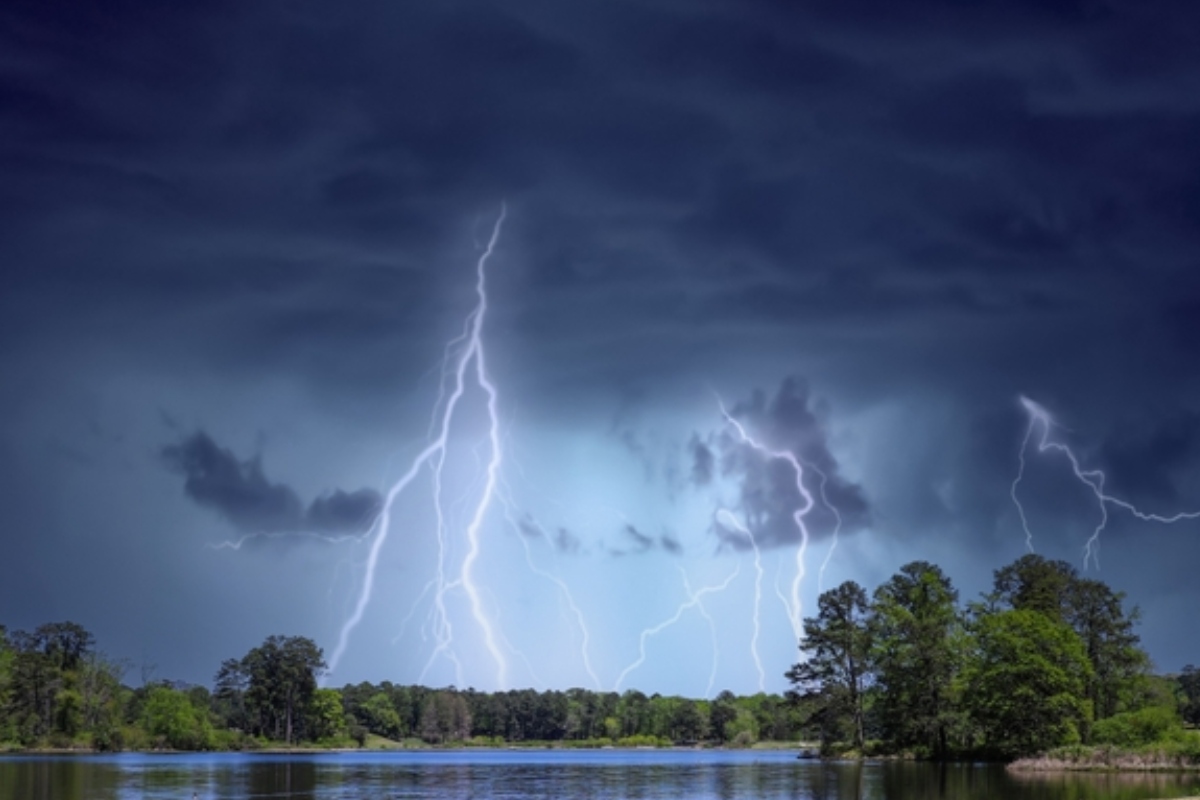
The main risk won’t necessarily be the amount of rain, but the possibility of storms that produce abundant lightning accompanied by little precipitation.
In areas with dry vegetation, an electrical discharge can become a source of ignition and cause a fire even when a storm quickly passes through the area.
YOU MAY BE INTERESTED IN: The U.S. Will Issue Commemorative Passports with an Image of Trump Starting in August
The wind adds another concern because it can transport embers from a fire to distant places, generating new hotspots and making it harder to contain the flames.
The scenario is especially delicate because the system arrives after conditions characterized by intense heat and low humidity in various Western areas.
The Fact: Washington, Oregon, and California Among the Watched Areas
According to AccuWeather, Washington could experience stormy activity, including possible rain during nighttime hours in the Seattle area.
In Oregon, the concern is particularly related to dry storms, which can produce electrical activity without bringing enough rain to significantly humidify the vegetation.
Northern California also figures among the regions that could receive storms, particularly some areas near the state’s mountainous regions.
The weather pattern could extend southeast to Texas, considerably expanding the area affected by the conditions associated with this system.
The Process: Lightning and Wind Could Trigger New Fires
The eastern slopes of the Cascades, Siskiyous, and Northern Sierra Nevada appear among the sectors where some of the windiest conditions could occur.
The problem starts when a storm generates lightning over extremely dry vegetation without leaving enough precipitation to reduce the danger of a fire starting.
If a hotspot appears, gusts can favor its spread and lift burning embers, transporting them to other points where additional fires could originate.
Therefore, even areas that receive little rain could face significant consequences while the system continues to move over the Western United States.
Thunderstorms Put the Focus on Oregon and California
The expected conditions make mountainous regions require particular attention due to the combination of terrain, dry vegetation, electrical discharges, and possible strong gusts.
Oregon faces a notable threat from dry storms, while Northern California could experience activity near vulnerable mountainous sectors.
In Washington, in addition to storms, there’s a possibility of nighttime precipitation around Seattle as the Pacific weather system advances.
The threat can change depending on the development of the storms, so local conditions will be crucial in determining where the greatest danger is concentrated.
What Those Living in Affected Areas Can Do
Residents should stay alert to weather forecasts and warnings in their area, especially when there are thunderstorms or strong gusts of wind.
Those near areas with dry vegetation should pay special attention to any signs of fire after the passage of storms accompanied by electrical activity.
It’s also important to consider that a fire can spread more quickly when there are strong winds, even after the storm responsible for the lightning has passed.
As the system advances from the Pacific, Washington, Oregon, California, and the affected regions towards Texas will remain under surveillance due to the evolution of the storms, according to AccuWeather and El Cronista.
¿Te gustó este artículo? ¡Compártelo!
¡No te pierdas las noticias!
Suscríbete y recibe lo más importante directamente en tu correo
Artículos relacionados
Recomendado por IA
¡Prepárate! Riesgos de granizo, vientos fuertes y tornados amenazan el sur de EEUU.

Amenaza de tormentas severas en el noreste de EEUU mientras peligrosa ola de calor afecta docena de estados

Poderosa tormenta amenaza el Oeste de EEUU

¡Alerta! Posible tormenta eléctrica amenaza varias partes de Estados Unidos

Tres tormentas peligrosas rodean a EE.UU. y emiten alerta

Comentarios 0
Sé el primero en comentar