
4 Essential Vitamins to Protect Your Lungs Year-Round

- Vitamins that support lung function
- Reduce respiratory inflammation
- Strengthen the immune system
Your lungs work nonstop to keep your body oxygenated and eliminate carbon dioxide.
However, factors such as pollution, smoking, or respiratory diseases can affect their function.
Evidence suggests that certain nutrients can play an important role in protecting and optimizing lung performance, especially when incorporating vitamins for lung health into your routine.
Below, we clearly and practically explain why these vitamins stand out as key allies for respiratory health.
Essential Vitamins for Lung Health

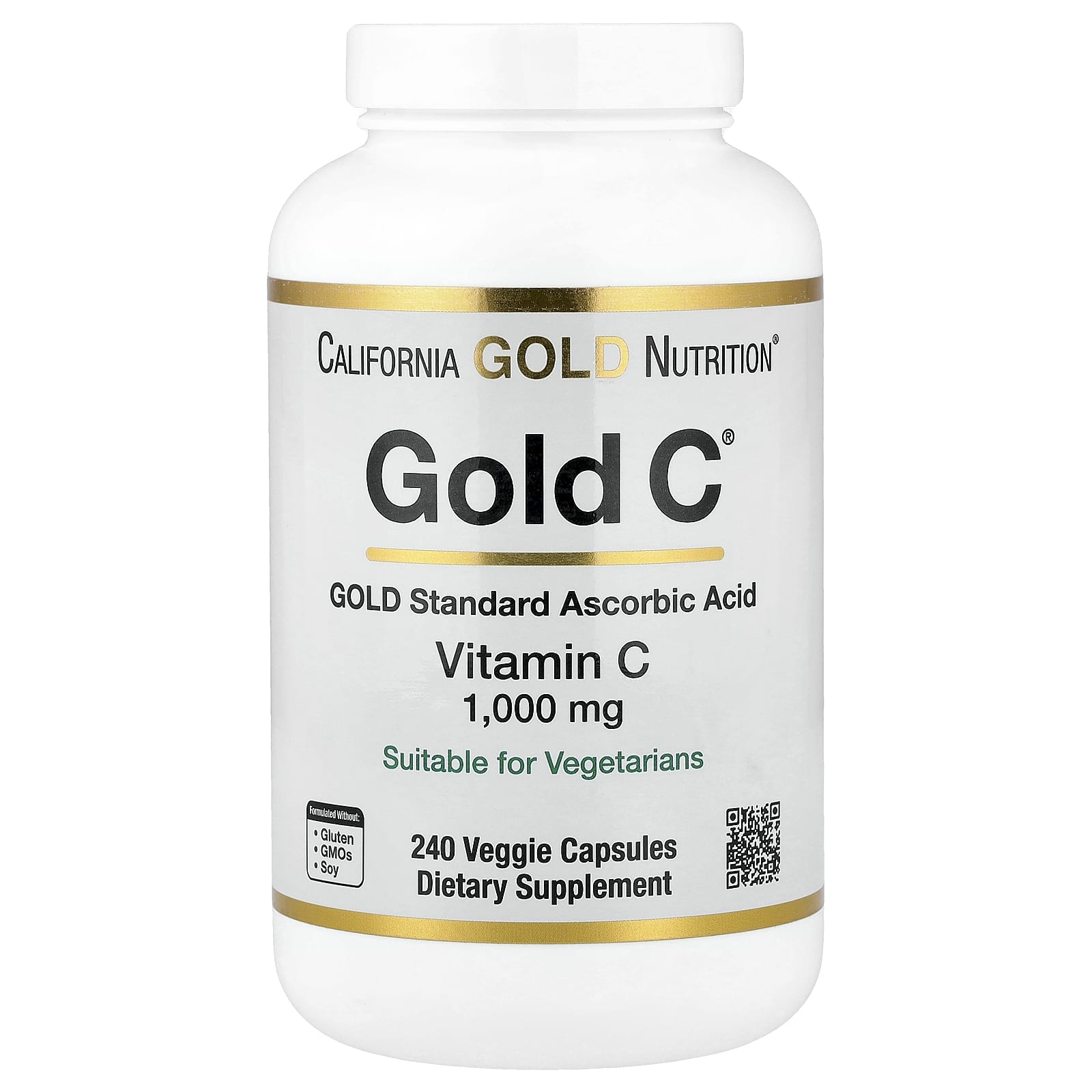
Vitamin C: Daily defense and protection for your lungs
- Powerful antioxidant
- Reduces inflammation
- Strengthens immunity
- Improves lung function
Vitamin C is one of the most important nutrients for the lungs.
It acts as an antioxidant, helping protect cells from damage caused by external factors such as pollution or smoke.
Maintaining adequate levels can reduce the risk of respiratory infections and improve lung function, especially in people with asthma or chronic conditions.
Even among smokers, those with higher levels have shown better lung performance.
It may also shorten the duration of respiratory illnesses, making it a key nutrient during flu season or infections—and a cornerstone among vitamins for lung health.
Vitamin D: Key to preventing complications
- Improves lung function
- Reduces infections
- Supports the immune system
- Enhances quality of life
Vitamin D is essential for the respiratory system. Its deficiency has been linked to a higher risk of infections and diseases such as asthma or COPD.
Maintaining adequate levels may help improve respiratory symptoms and reduce complications.
It has also been associated with better lung function in the general population and lower severity in respiratory illnesses.
An important fact is that vitamin D deficiency is quite common, so many people could benefit from supervised supplementation as part of a strategy focused on vitamins for lung health.
Vitamin A: The silent ally of the respiratory system
- Protects mucous membranes
- Strengthens defenses
- Supports lung tissues
- Reduces infections
Although it is not always mentioned as often as others, vitamin A plays an essential role in respiratory health.
It helps maintain the mucous membranes—the lungs’ first line of defense—in good condition.
It also contributes to proper immune system function, allowing the body to respond more effectively to respiratory infections.
Its role is key in preserving lung tissue integrity and preventing complications.
A deficiency in this vitamin may increase vulnerability to respiratory diseases, reinforcing its importance among vitamins for lung health.
Omega-3: The natural anti-inflammatory
- Reduces inflammation
- Improves respiratory symptoms
- Supports asthma control
- Benefits lung function
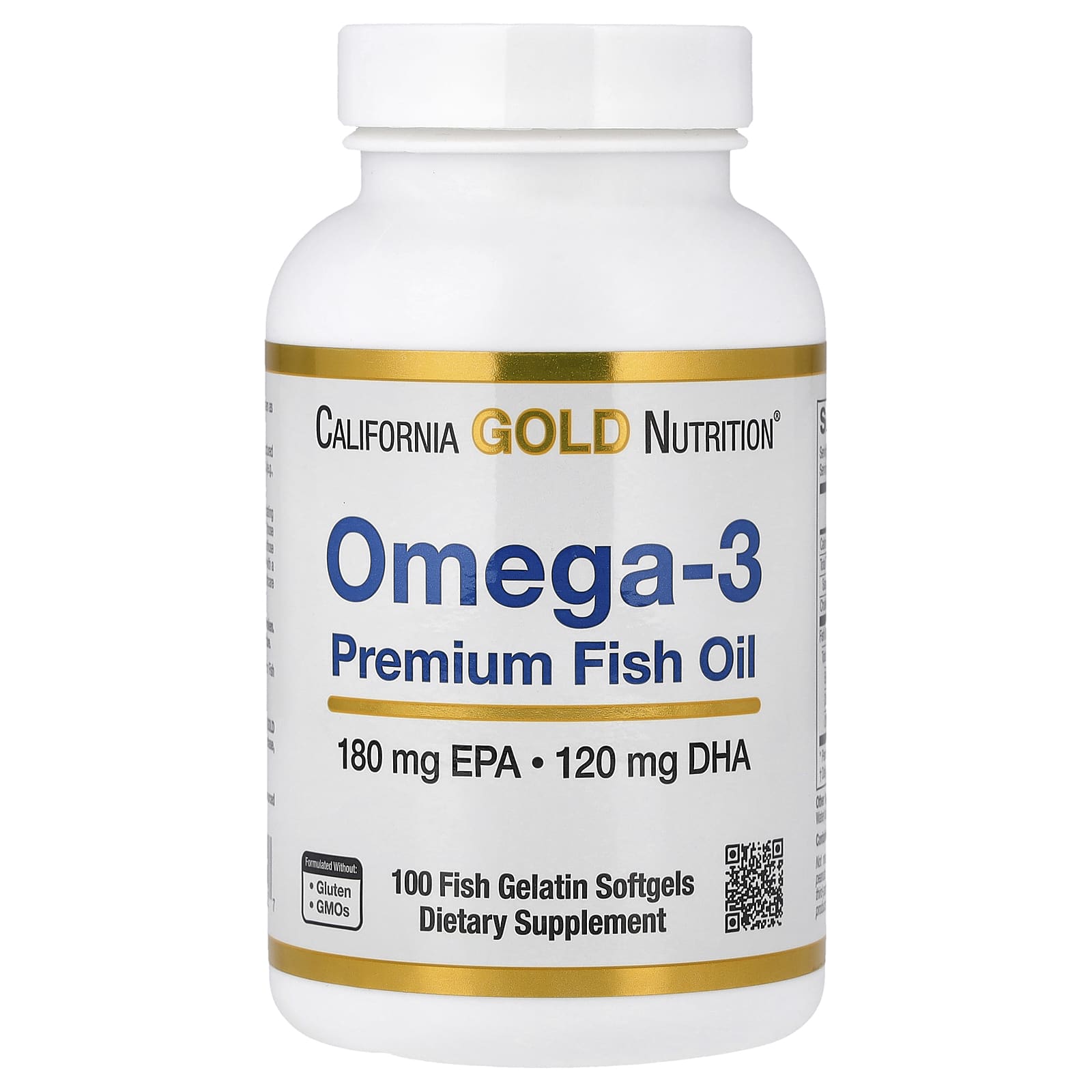
Omega-3 fatty acids are well known for their anti-inflammatory properties.
This is especially relevant in lung conditions such as asthma, where inflammation plays a central role.
Higher levels of omega-3 in the body have been associated with better symptom control and, in some cases, reduced reliance on treatments.
They may also help lower the risk of chronic lung diseases.
Additionally, some studies have observed improvements in inflammatory markers in people with lung conditions who consume these fatty acids—making them a valuable component of vitamins for lung health.
What You Should Keep in Mind
- Consult a specialist
- Avoid self-medication
- Prioritize a balanced diet
- Maintain healthy habits
Although these nutrients can help, they do not replace a healthy lifestyle.
A balanced diet, avoiding tobacco, and staying active remain essential.
It is also important to consider that supplements can interact with medications, so it is always advisable to consult a healthcare professional before adding them to your routine.
Taking care of your lungs depends not only on the air you breathe but also on what you consume

Nutrients such as vitamin C, D, A, and omega-3 can make a significant difference in lung function, helping prevent disease and improve quality of life when included as part of vitamins for lung health.
Incorporating them properly can be a simple yet powerful strategy to protect your respiratory health in the long term.
Disclaimer: This content is for informational and educational purposes only and does not replace professional medical advice, diagnosis, or treatment.
Notice: This article may contain affiliate links. If you make a purchase through them, we may earn a commission at no additional cost to you.
YOU MAY ALSO BE INTERESTED IN: Want to slow brain aging? These vitamins and foods can help
Do you already include any of these vitamins for lung health in your daily routine?
SOURCE: Healthline / LIV Hospital
¿Te gustó este artículo? ¡Compártelo!
¡No te pierdas las noticias!
Suscríbete y recibe lo más importante directamente en tu correo
Artículos relacionados
Recomendado por IA
Expertos dicen que la Vitamina D ayuda a mantenerse saludable durante la pandemia

4 consejos para mantenerse saludable a medida que envejeces

¿Cuántos vasos de agua debes tomar al día y qué beneficios trae a tu cuerpo?

Los 4 mitos más comunes sobre las vacunas; todo lo que debes saber
¿Por qué es importante mantenerse hidratado?

Comentarios 0
Sé el primero en comentar