
Venezuelan Asylum Seekers Face New Test in US

- Asylum for Venezuelans in the US
- Risk must be proven individually
- Ruling does not eliminate protection
Venezuelans seeking political asylum in the United States face a new scenario: the ouster of Nicolás Maduro from power must be considered by judges when determining if there is still a risk of persecution upon returning to Venezuela.
The Board of Immigration Appeals (BIA) held on September 4 that the removal of Maduro and the transfer of executive power constitute a «change in country conditions» relevant to the analysis of the fear of future persecution.
The precedent arose from the case Matter of A-E-V-M-, related to a Venezuelan woman who arrived in the US on a student visa in 2014 and later requested protection, arguing persecution due to her political positions against the Maduro government.
An immigration judge found her story credible and determined that she had a well-founded fear of future persecution. Still, the Department of Homeland Security (DHS) appealed, and the BIA overturned the grant, ordering the case to be reevaluated.
What must Venezuelan applicants demonstrate now?
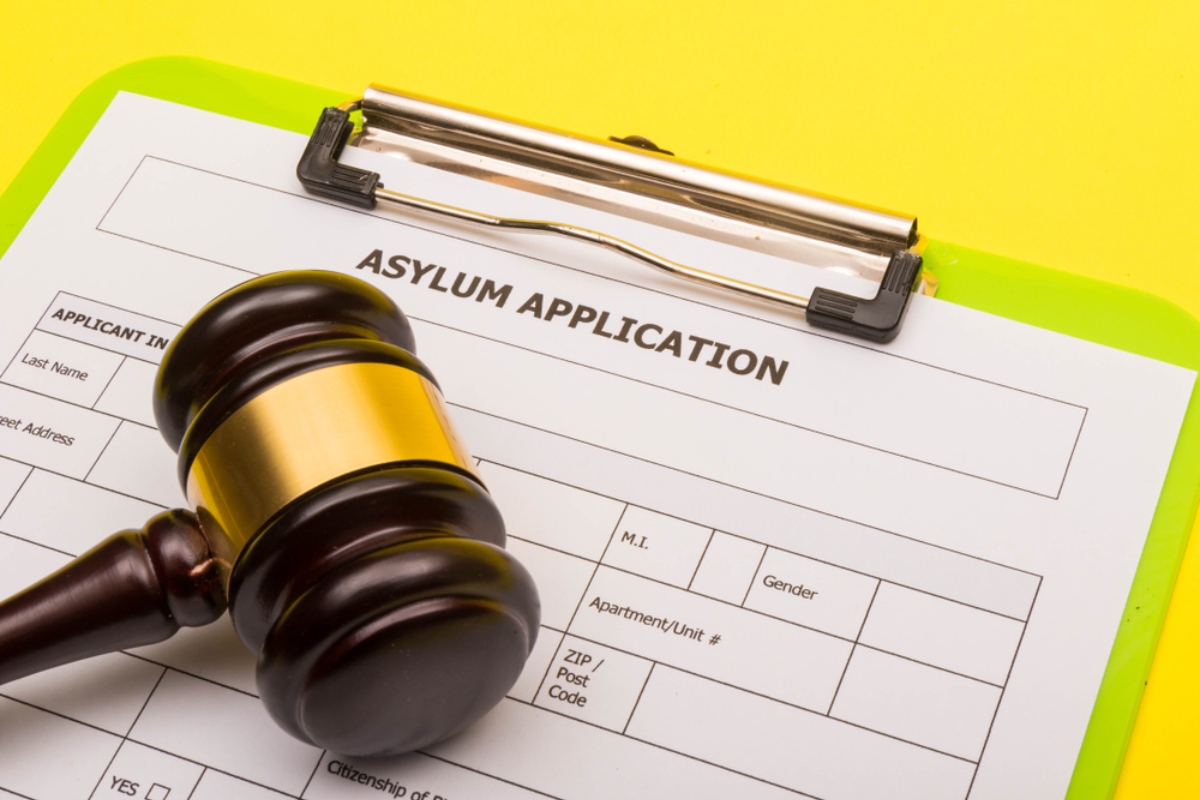
Courts must now assess whether applicants face a particular risk of persecution under current conditions in Venezuela, rather than focusing only on threats from the former government.
«The removal of a national government leader is a very significant event,» the BIA stated, explaining how Maduro’s ouster changes the political context for evaluating future fear.
YOU MAY BE INTERESTED IN: 95 immigrant truckers arrested in Arizona: Are even truckers not safe from ICE?
However, the ruling itself warns that a change in leadership does not necessarily eliminate a well-founded fear of persecution. Security forces, institutions, or other actors linked to the former government could still have power and pose a risk.
The applicant argued that the state persecution apparatus remained active and that the military, intelligence agencies, and networks linked to the former government continued under the influence of figures associated with Maduro, an argument that the judge must reexamine.
Thousands of Venezuelans may face a more complex scenario
This precedent could have significant consequences by providing a reference for other cases involving alleged political persecution under the Maduro government. However, each applicant must still demonstrate the specific circumstances of their case.
Meanwhile, obtaining asylum in the United States has become considerably more difficult. TRAC data shows that immigration judges rejected 94% of asylum cases decided in June 2026.
Washington and Caracas are also entering a different phase in their relationship. The U.S. and Venezuela’s interim government recently agreed on an energy deal covering 17 oil fields with about 65 billion barrels in reserves.
The ruling does not close the door to Venezuelan asylum, but it makes individual evidence of ongoing danger more important. Venezuela’s current political reality could therefore play a central role in future migration decisions, noted Univision and Telemundo 51.
¿Te gustó este artículo? ¡Compártelo!
¡No te pierdas las noticias!
Suscríbete y recibe lo más importante directamente en tu correo
Artículos relacionados
Recomendado por IA
Departamento de Seguridad Nacional anuncia nuevo proceso para venezolanos

Venezolanos demandan a guardias del Home Depot

Congresistas presentan ley para proteger de la deportación a 600.000 venezolanos

EEUU reanuda vuelos de deportación a Venezuela con más de 100 migrantes a bordo

Migrante venezolano es liberado temporalmente por ICE

Comentarios 0
Sé el primero en comentar