
U.S. Congress Returns Amid Sexual Scandals and Lawmaker Resignations

- Lawmaker resignations over sexual scandals
- Ethics crisis in Congress
- Tense political agenda
The US Congress resumes its activities this Tuesday after a two-week recess, but it does so under intense ethical scrutiny and with a packed political agenda.
The resignation of two lawmakers over sexual misconduct scandals has increased pressure on the institution, just as key issues like Department of Homeland Security funding and foreign policy return to the spotlight.
Lawmaker resignations shake Congress amid controversy
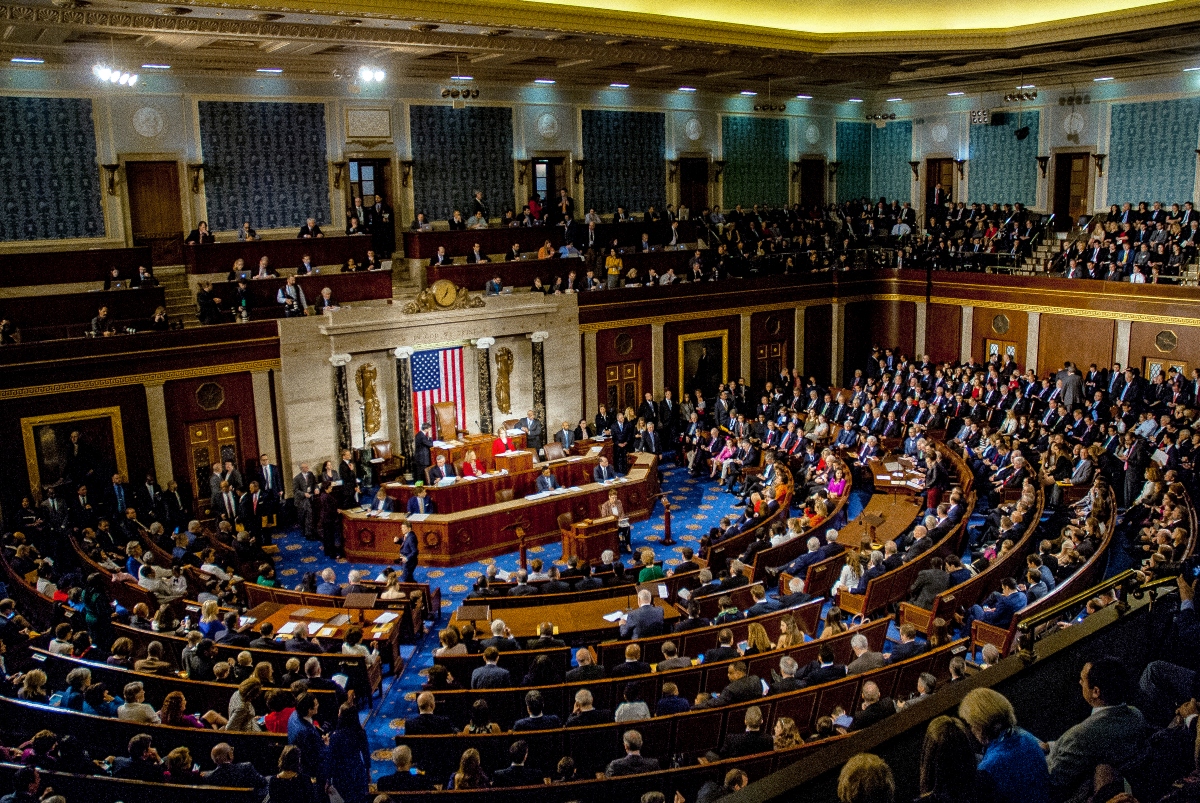
The return to Capitol Hill is marked by the departure of Eric Swalwell, a Democrat from California, and Tony Gonzales, a Republican from Texas.
Both chose to step down after reports surfaced that they faced sexual assault allegations and that efforts were underway to expel them from Congress.
Swalwell announced his decision on X, defending his innocence while acknowledging past mistakes:
“I deeply apologize to my family, my staff, and my constituents for the errors in judgment I made in the past. I will fight the serious and false accusation made against me.”
For his part, Gonzales confirmed his resignation with a personal message:
“There is a time for everything, and God has a plan for each of us. When Congress reconvenes tomorrow, I will submit my resignation.”
Both resignations occurred before a formal expulsion process could take place, highlighting the severity of the moment and the internal pressure within Congress, a central element of the US Congress scandal crisis.
More lawmakers under ethical investigation
The crisis is not limited to these two cases. Other members of Congress are also facing potential disciplinary actions.
Among them are Sheila Cherfilus-McCormick, a Democrat from Florida under investigation for alleged misuse of funds, and Cory Mills, a Republican from Florida accused in a domestic violence case.
The House Ethics Committee is already reviewing these situations, keeping the broader institutional crisis ongoing.
Additionally, more than a dozen Democrats from competitive districts have pressured congressional leadership to speed up investigations, reflecting concerns about the political impact of these US Congress scandals.
Funding crisis complicates legislative agenda
Beyond internal issues, Congress faces urgent challenges.
One of the most pressing is the partial shutdown of the Department of Homeland Security, which has been ongoing since February 14, making it the longest shutdown for a federal agency.
The standoff began after Democrats refused to approve increased funding without changes to immigration policies under the administration of Donald Trump.
Tensions escalated following the deaths of two US citizens during protests in Minnesota, prompting calls for stricter oversight of federal agents’ actions.
Democrats are demanding conditions such as requiring warrants for arrests or home entries, but negotiations with Republicans and the White House have stalled.
Meanwhile, the impact is already being felt at airports nationwide due to security staffing shortages.
Debate over war powers shapes political momentum
Another key issue on the agenda is foreign policy, particularly regarding Iran.
Democratic lawmakers are pushing a resolution to limit President Trump’s military authority, arguing that he has exceeded his powers.
The proposal seeks to reaffirm that the authority to declare war lies exclusively with Congress.
However, even if it passes, it faces a major hurdle: the need for a two-thirds majority to override a potential presidential veto, which appears unlikely.
You may also like: Eric Swalwell Scandal Escalates as Congress Moves Toward Possible Expulsion Vote
US Congress under institutional pressure
Lawmakers return amid growing concerns about the integrity of Congress and its ability to manage multiple crises at once.
Between ethical scandals, budget disputes, and international tensions, the institution is facing one of its most challenging periods in recent years.
What happens in the coming days will be crucial—not only for addressing immediate issues but also for determining whether Congress can restore public trust during an increasingly polarized political climate shaped by the US Congress scandal crisis.
SOURCE: EFE
¿Te gustó este artículo? ¡Compártelo!
¡No te pierdas las noticias!
Suscríbete y recibe lo más importante directamente en tu correo
Artículos relacionados
Recomendado por IA
Demócratas recuperan Cámara de Representantes; republicanos mantienen Senado

Congresistas federales intentan reactivar la moratoria de desalojos

Senado reanuda sesión tras toma del Capitolio para certificar a Biden

Tras el escándalo, los CDC reanudan moratoria de desalojos

Esta semana se retoman leyes migratorias en el Congreso

Comentarios 0
Sé el primero en comentar