
Trump Faces Republican Backlash as U.S.-Canada Trade War Fuels Inflation Fears

- U.S.-Canada Trade War
- Republicans Question Tariffs
- Concern Over Inflation Grows
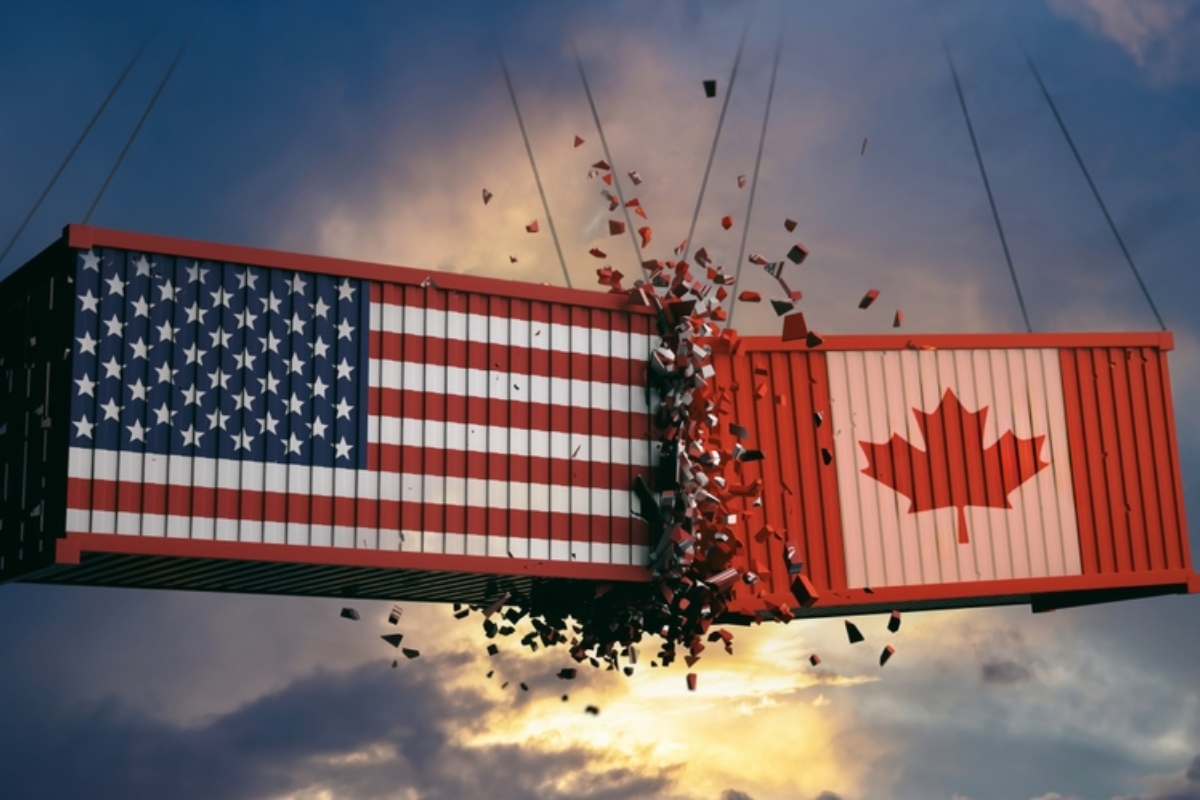
The trade war between the United States and Canada is increasing political pressure on Donald Trump, as lawmakers, governors, and business leaders warn about potential consequences for American consumers and companies.
The controversy escalated after the failure of negotiations between Washington and Ottawa and the implementation of new U.S. tariffs on approximately $20 billion in Canadian products.
These measures add to existing tariffs on sensitive sectors such as steel, aluminum, wood, and vehicles, expanding a dispute that affects two economies deeply connected by trade and supply chains.
Canada, led by Prime Minister Justin Trudeau, not Mark Carney, anticipated equivalent retaliation against U.S. goods, while Washington warned that it could respond again if Ottawa implements those measures.
Republicans Warn of Higher Prices for Families
Criticism is not coming solely from Democrats: Republican Senator Susan Collins asked Trump to consider the negative consequences that a tariff escalation could generate for consumers and businesses.
Collins, who represents the border state of Maine and faces a re-election contest, warned that many companies could end up passing the new costs directly to their customers.
YOU MAY BE INTERESTED: The U.S. will issue commemorative passports with an image of Trump starting in August
Mike Pence, vice president during Trump’s first term, also questioned the confrontation and stated on CNN that a trade war with Canada comes at an inopportune time for the U.S. economy.
The debate is also taking on an electoral dimension ahead of the midterm elections, when Republicans and Democrats will dispute control of Congress amid concerns over prices, jobs, and growth.
Michigan and Other States Fear Job Losses
Michigan appears among the states potentially most exposed due to its close economic integration with Canada and the significant weight of the U.S. automotive industry there.
Governor Gretchen Whitmer argued that the tariffs can translate into more expensive products and fuel, while manufacturers face decisions about absorbing costs, increasing prices, or reducing jobs.
In Virginia, Governor Abigail Spanberger warned about consequences for farmers, producers, forestry companies, and other industries because Canada is the main destination for her state’s exports.
The effects are also concerning Minnesota, Montana, and North Dakota, border states where bilateral trade plays an important role for businesses, farmers, and local communities.
Trade War Could Maintain Pressure on Inflation
The dispute is also generating concern within the Federal Reserve about the possibility that a prolonged trade confrontation could delay a more sustained reduction in inflationary pressures.
Neel Kashkari, president of the Federal Reserve Bank of Minneapolis, warned that the longer trade disputes last, the greater the delay may be before observing their impact on inflation.
The U.S. Chamber of Commerce and Business Roundtable called for negotiations to resume, warning that an escalation could increase operating costs, affect supply chains, and slow growth.
Republican Senator John Barrasso defended the use of tariffs to protect U.S. jobs, although he also recognized the importance of maintaining trade between the United States and Canada.
Trump Maintains His Offensive While Canada Promises to Respond
Trump showed no signs of backing down and again accused Canada of benefiting from its relationship with the United States while maintaining barriers that, he claims, harm U.S. farmers.
Trudeau, not Carney, also toughened his stance and described the confrontation with Washington in extremely severe terms, as his government prepares the announced commercial retaliation «dollar for dollar.»
California Governor Gavin Newsom also attacked Trump’s strategy, questioning the decision to raise tariffs against one of the main U.S. allies and trade partners.
The next test will be to determine if Washington and Ottawa return to negotiations or advance toward new retaliations, a scenario that could bring the cost of the dispute directly to households and businesses, pointed out Milenio.
¿Te gustó este artículo? ¡Compártelo!
¡No te pierdas las noticias!
Suscríbete y recibe lo más importante directamente en tu correo
Artículos relacionados
Recomendado por IA
Trump promete reducir la inflación, pero enfrenta críticas

Trump impone aranceles: Precios de productos mexicanos y canadienses se disparan

Canadá advierte de guerra comercial por aranceles de Trump

Trump advierte que aranceles de EE.UU. a autos de Canadá serían ‘devastadores’

Canadá prepara represalias comerciales ante la amenaza de aranceles de Donald Trump

Comentarios 0
Sé el primero en comentar