
Trump Questions Tylenol in Pregnancy — But Science Hasn’t Proven an Autism Link

- Tylenol Faces New Controversy
- Studies Don’t Prove Autism Link
- Kenvue Defends Its Safety
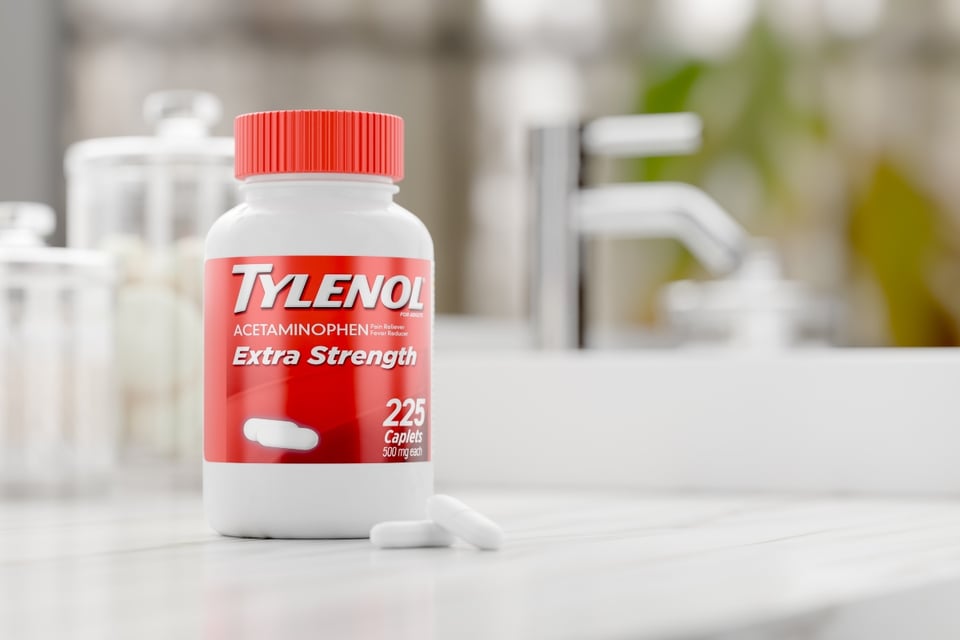
Tylenol, a pain reliever with over 70 years on the market, is facing a new storm.
The controversy arose after President Donald Trump stated that its use during pregnancy could be related to autism, an unproven theory that has raised alarm among consumers and experts.
Below, we explain point by point what’s happening.
A Guide to Understanding the Tylenol Controversy
1. The Statement That Sparked the Controversy
During a conference at the White House, U.S. President Donald Trump warned pregnant women:
“If you’re pregnant, don’t take Tylenol.”
The statement ignited public concern and prompted an immediate 17% drop in Kenvue’s stock, the company that manufactures the medication after separating from Johnson & Johnson in 2023.
Trump assured that his administration would review the product’s label and even asked doctors to avoid prescribing it to pregnant women, which sparked a wave of criticism from the scientific community.
2. What Science Says So Far
Numerous studies have analyzed a possible link between paracetamol (acetaminophen) — the active ingredient in Tylenol — and autism. However, the results are inconsistent and inconclusive.
A recent investigation in Sweden, which analyzed over 2.4 million births between 1995 and 2019, did not find solid evidence linking the use of the medication during pregnancy to autism or ADHD.
Experts agree: there is no proven causal relationship.
The American College of Obstetricians and Gynecologists reiterated that Tylenol remains one of the few safe pain relievers for pregnant women.
3. Kenvue’s Response
Kenvue, the New Jersey-based company, reacted immediately.
Its spokesperson, Melissa Witt, pointed out that “independent science clearly shows that taking paracetamol does not cause autism”.
The company insisted that misinformation can put the health of pregnant women at risk by making them doubt a medication considered safe for decades.
Kenvue also updated its website to reassure consumers and highlighted that the product remains approved by the FDA for the treatment of pain and fever.
4. A Product with a History of Crises and Resilience
Tylenol has survived multiple scandals.
In 1982, a sabotage with cyanide-contaminated capsules resulted in the death of seven people in Chicago, forcing Johnson & Johnson to withdraw the product.
Its rapid response became a case study on corporate crisis management.
Decades later, Tylenol remains one of the best-selling pain relievers in the U.S., with nearly $1 billion in annual sales, despite competition from generics and controversies over its potential side effects.
5. Why This Controversy Matters
The impact of Trump’s statements goes beyond public health.
Tylenol is used by one in four adult Americans every week, and any suspicion about its safety can have economic and medical repercussions.
Additionally, the president’s claims rekindle debates about how political figures influence scientific trust.
Doctors and health organizations have called for medical decisions to continue being based on evidence, not opinions without backing.
6. The Current Medical Consensus
So far, major medical institutions and research organizations agree:
- There is no conclusive evidence linking Tylenol to autism.
- Its moderate use remains safe for pregnant women.
- Suspending it without medical guidance could be riskier than continuing to take it.
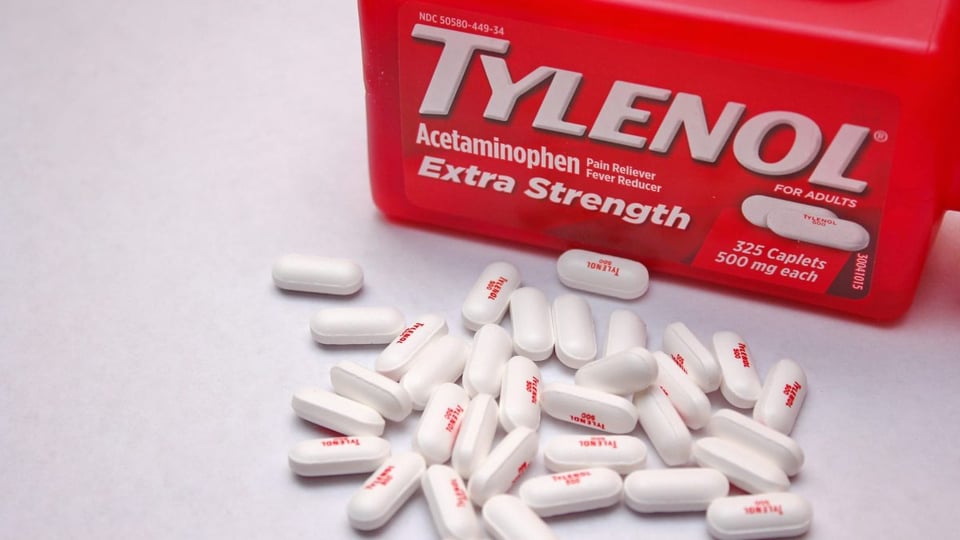
Paracetamol continues to be an essential tool for relieving fever and pain, especially in pregnancies where other medications can be hazardous.
The controversy over Tylenol is a reminder of the power of information — and misinformation — in health matters.
You May Be Interested In: Do You Have Fungus on Your Toenails? These Natural Remedies Could Be the Solution!
As scientists continue to investigate, experts call for caution: there is no evidence to justify premature alarms. Kenvue faces a crisis that will test its reputation, but science, for now, does not support the fears.
Warning: This note is for informational purposes only and is based on data and reports published by The New York Times and BBC Mundo. It does not replace the guidance of a health professional. Before starting, suspending, or modifying any treatment or medication, always consult with your doctor or trusted specialist.
SOURCE: The New York Times. “The Company Behind Tylenol Tries to Navigate Its Latest Crisis” / BBC Mundo. “Scientists’ Opposition to Trump’s Recommendation That Pregnant Women Not Consume Paracetamol Due to Autism Risk”
¿Te gustó este artículo? ¡Compártelo!
¡No te pierdas las noticias!
Suscríbete y recibe lo más importante directamente en tu correo
Artículos relacionados
Recomendado por IA
Trump sugiere que el autismo es “inducido artificialmente” en EE.UU. y revive teorías sin respaldo científico

Trump sugiere que existe relación entre la vacunación infantil y el autismo

Funcionarios de Trump niegan que hayan escrito polémico editorial anónimo publicado en The New York Times

Melania Trump habla sobre los rumores de autismo de Barron

Trump se niega a condenar a Rusia tras confirmarse que líder opositor fue envenenado

Comentarios 0
Sé el primero en comentar