
Tropical Storm Dolly Collapses, but Caribbean Islands Face Heavy Rain Threat

- Tropical Storm Dolly dissipates
- Rains threaten the Caribbean
- Regeneration is still possible
Tropical Storm Dolly had a short life in the Atlantic: just 24 hours after reaching that category, it disintegrated on Friday.
The system, the fourth named cyclone of the 2026 Atlantic hurricane season, encountered unfavorable atmospheric conditions to maintain its organization.
Additionally, the National Hurricane Center (NHC) reported in its latest advisory that Dolly ceased to be a tropical storm and became an open tropical wave.
However, its disappearance as a cyclone does not completely eliminate the risk: the associated humidity could cause heavy rains in several Caribbean islands over the next few days.
El Niño weakens Dolly in the Atlantic
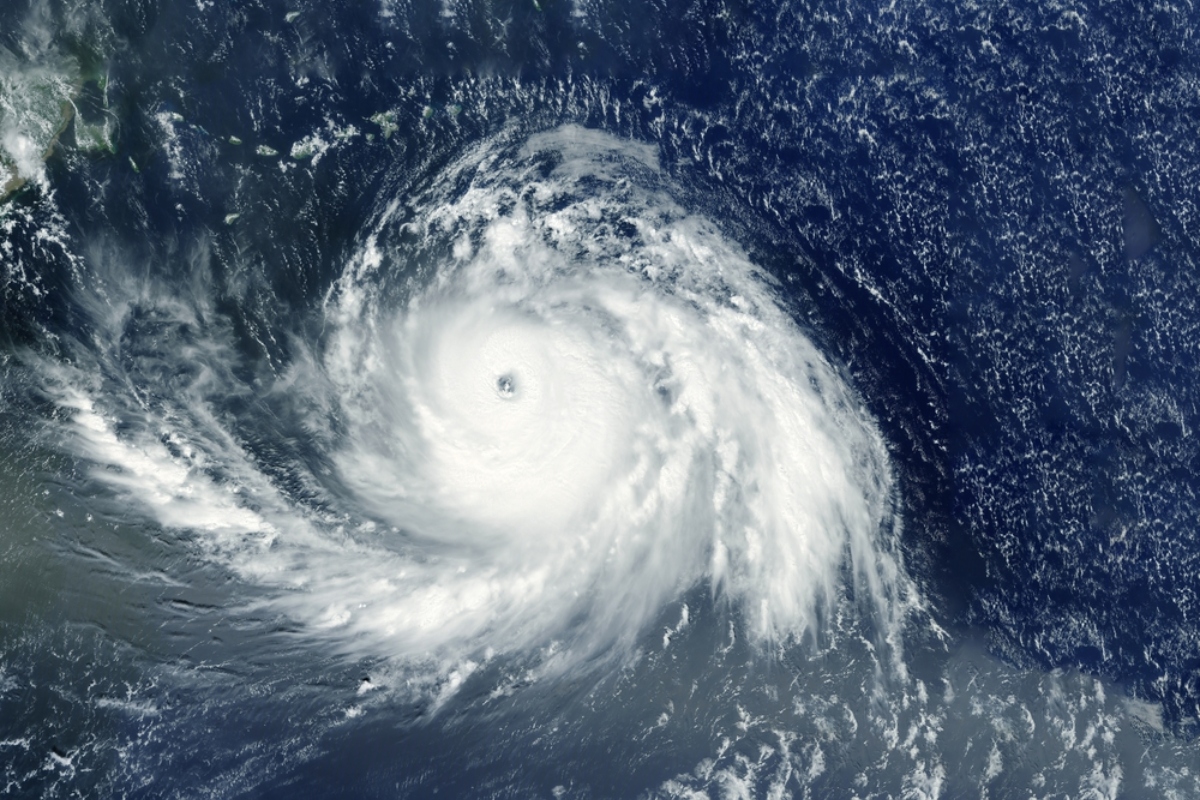
The weakening of Dolly occurs as El Niño gains influence over the atmospheric conditions that can determine how a hurricane season evolves in the Atlantic.
This climate phenomenon tends to favor increased wind shear in the Atlantic basin, a condition capable of making it difficult for tropical cyclones to maintain their organized circulation.
YOU MAY BE INTERESTED IN: The US will issue commemorative passports with an image of Trump starting in August
At the same time, El Niño is normally associated with increased activity of tropical storms in sectors of the eastern and central Pacific, in addition to other global meteorological effects.
Dolly thus became another example of the difficulties some systems have found during this season to strengthen and maintain themselves organized over the waters of the Atlantic.
Remnants threaten with heavy rains
Although Dolly no longer has a closed tropical circulation, its remnants will continue to move west and could transport abundant humidity towards sectors of the Caribbean.
Heavy rains could begin to reach the Leeward Islands between Saturday night and Sunday, so residents should be aware of local conditions.
By Monday, the precipitation associated with the system’s remnants could extend to the Virgin Islands, Puerto Rico, and Hispaniola.
One of the main risks will be flash flooding, especially in mountainous or elevated areas where large amounts of rain can accumulate quickly.
Can it become a tropical storm again?
The disappearance of Dolly does not necessarily mean that its remnants have definitively lost any possibility of development during its journey through the Atlantic.
Some long-term meteorological models show a possibility of reorganization when the system is north of the islands, although currently the probabilities are low.
There is also no consensus among the models on whether it will really develop again or what its eventual trajectory would be in case it manages to reorganize.
Therefore, although Dolly is no longer a tropical storm, Puerto Rico and other areas of the Caribbean should continue to monitor its humidity and evolution due to the risk of intense rains and flooding, according to Fox Weather.
¿Te gustó este artículo? ¡Compártelo!
¡No te pierdas las noticias!
Suscríbete y recibe lo más importante directamente en tu correo
Artículos relacionados
Recomendado por IA
Tras devastador terremoto, tormenta Grace amenaza a Haití, también a Puerto Rico y República Dominicana

Depresión se convierte en la tormenta tropical Dolly (FOTO)

¡No deja de llover! El huracán Kirk sigue en aguas abiertas y se forma tormenta tropical Leslie

Tormenta tropical Nicole toma fuerza y amenaza a Bahamas, Florida y Georgia

Tormenta tropical Dalila se disipa en el Pacífico mientras el Atlántico sigue en calma

Comentarios 0
Sé el primero en comentar