
Good News! Social Security Payment Arrives Wednesday, March 25 for Millions of Retirees

March is moving forward, and millions of retirees are already awaiting one of the most important deposits of the month: the Social Security March 25 payment.
The Social Security Administration confirmed that a new payment will be issued this Wednesday, March 25, as part of the program’s regular schedule.
For many older adults, this income is not optional—it is essential for covering rent, food, and medications in a context where expenses continue to rise.
- Why it matters: This monthly check defines the financial stability of millions of households. Knowing when it arrives allows beneficiaries to organize payments and avoid delays in meeting basic needs.
Social Security March 25 payment: who will receive it
The Social Security system divides payments based on birth dates. In March 2026, the final group corresponds to the fourth Wednesday of the month.
On March 25, payments will be issued to individuals born between the 21st and the 31st of any month.
This deposit includes retirement benefits, disability (SSDI), and survivor payments.
Funds are primarily sent via direct deposit or through the Direct Express card, allowing quick and secure access without intermediaries.
 Why this payment is crucial for millions of Latinos
For many retirees, this income represents more than just a monthly deposit—it is the resource that sustains essential expenses at a time when the cost of living continues to rise.
Accumulated bills, medications, and food costs make each payment date critical.
A delay or poor planning can directly affect quality of life.
That is why understanding the calendar and anticipating the Social Security March 25 payment is a key financial planning tool.
COLA 2026 adjustment: moderate increase in checks
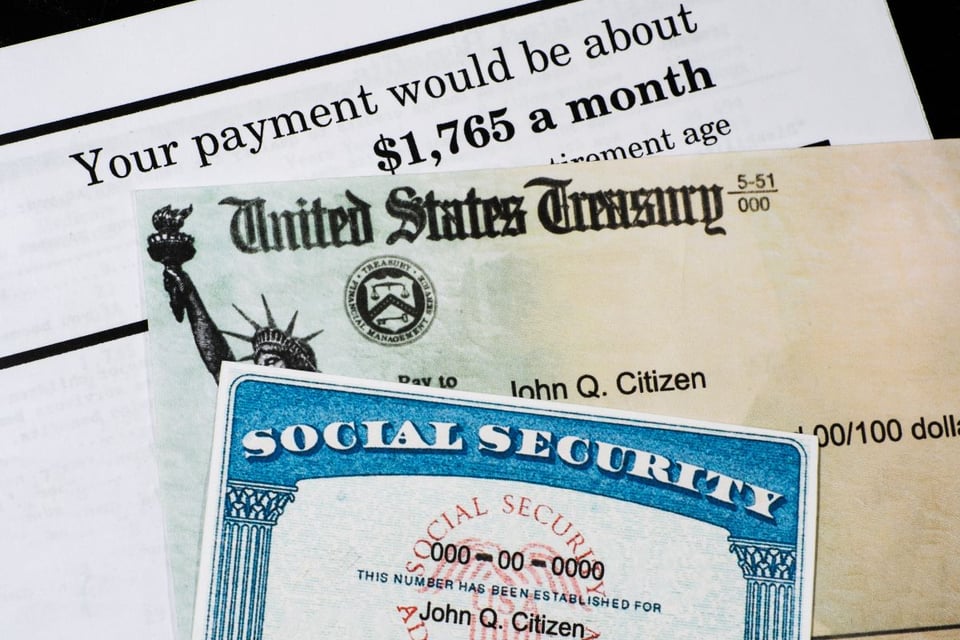
In 2026, payments include a 2.8% cost-of-living adjustment (COLA), applied since January.
On average, the monthly increase is about $56.
- A retiree who previously received $2,015 now gets approximately $2,071.
- For couples, income can increase from $3,120 to about $3,208.
Although the increase helps, it remains limited compared to rising costs in housing, food, and healthcare.
 Is the increase enough to keep up with the cost of living?
This is one of the key concerns.
While the adjustment aims to offset inflation, many retirees feel it is not enough.
Costs continue to rise in essential areas, reducing the real impact of the increase.
In practice, the additional money can quickly be absorbed by everyday expenses.
This forces many beneficiaries to adjust their budgets and find ways to stretch every dollar.
New rules for retirees who work
In 2026, there are also changes for those combining benefits with earned income.
- Disability beneficiaries can earn up to $1,690 per month without automatically losing benefits. For blind individuals, the limit increases to $2,830.
- Additionally, the trial work period threshold rises to $1,210 per month, offering more flexibility to reenter the workforce.
- For those receiving Social Security before full retirement age, the annual earnings limit increases to $24,480.
Once full retirement age is reached, there are no income restrictions.
You may also like: SNAP April 2026 Payment Schedule: When Food Stamp Benefits Will Be Deposited
 How to check your payment without errors
The Social Security Administration recommends using the “my Social Security” online platform to verify benefit information.
There, you can check your exact deposit date, monthly amount, and payment history.
You can also confirm when your money will arrive based on your birth date.
Having this information clearly available helps with planning and avoids confusion about the Social Security March 25 payment.
How to stretch your Social Security income
In a high-cost environment, managing income effectively is essential.
- Prioritizing essential expenses such as housing, food, and healthcare should be the first step.
- It is also important to create a monthly budget, reduce unnecessary expenses, and take advantage of support programs available for older adults.
- Small decisions—such as comparing prices or adjusting spending habits—can make a significant difference over time.
What’s next: The March 25 payment closes out the Social Security calendar for the month.
Attention will now shift to upcoming deposits and how economic adjustments will continue to impact the income of millions of retirees, keeping the Social Security March 25 payment top of mind.
¿Te gustó este artículo? ¡Compártelo!
¡No te pierdas las noticias!
Suscríbete y recibe lo más importante directamente en tu correo
Artículos relacionados
Recomendado por IA
Cheques enviados el 26 de marzo: ¿Cuándo los recibirán los beneficiarios?

Pago del Seguro Social de hasta $4,194 se comenzará a enviar a quienes califiquen

Beneficiarios del Seguro Social comenzarán a recibir cheques de estímulo este miércoles
Tres pagos directos de hasta $4,555 dólares del Seguro Social llegarán el próximo mes

Dan noticia de los pagos del Seguro Social: cheques de $4,873 dólares llegarán pronto

Comentarios 0
Sé el primero en comentar