
Penn State Scandal: Fraternity Pledges Allegedly Used to Prepare Cocaine

- Penn State cocaine ring
- Fraternities are under investigation
- Pledges allegedly prepared cocaine
An alleged Penn State cocaine ring has rocked the university after Pennsylvania authorities charged 14 people, including 13 current or former students, in an operation that allegedly used fraternity houses to prepare and distribute cocaine.
The case has taken an even more troubling turn: according to court documents, fraternity pledges were allegedly forced to cut and package the drug before it was distributed among university students.
- Why it matters: The allegations go beyond individual drug possession and describe an alleged organized operation that reportedly took advantage of fraternity-linked properties and used fraternity members and pledges as labor.
- Key points: The investigation involves 14 defendants, identifies two off-campus fraternity houses, and alleges that the operation ran during 2023 and 2024.
Penn State Cocaine Ring Allegedly Operated Out of Fraternity Houses
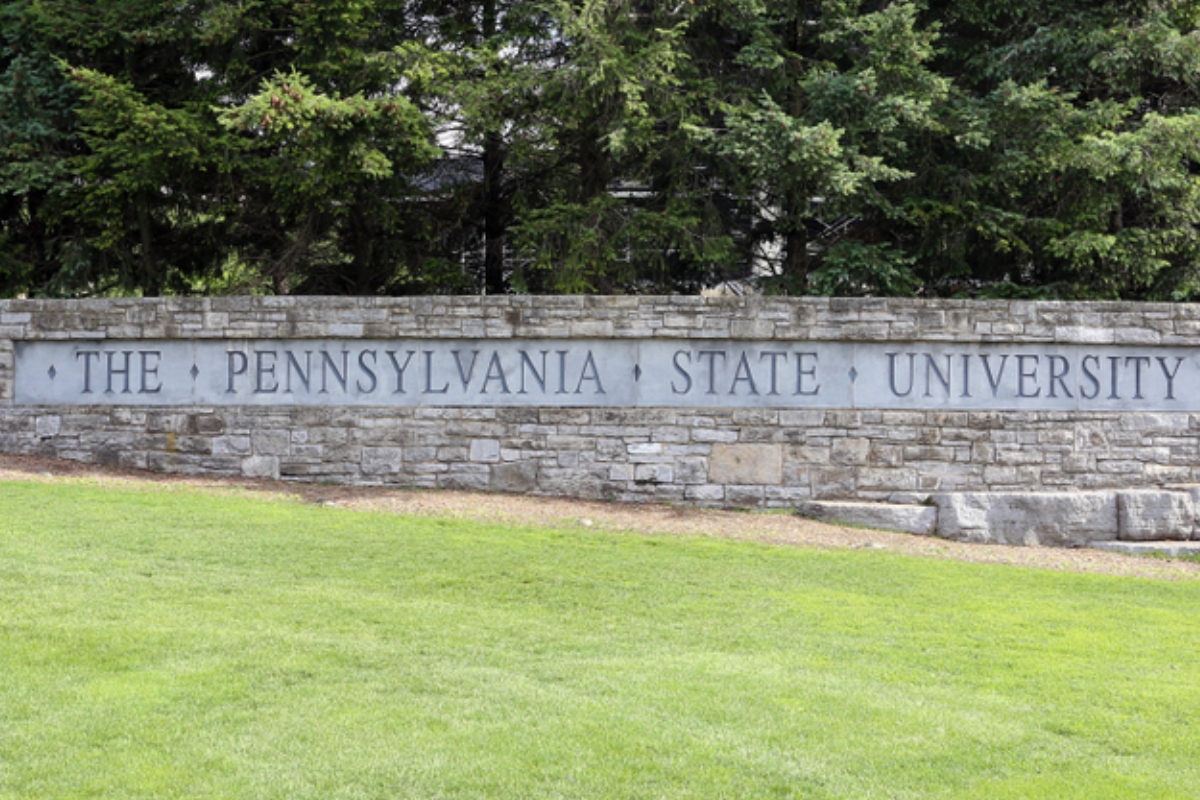
According to court documents, large quantities of cocaine were brought into the area through contacts in Philadelphia and New York before being processed primarily at the Sigma Chi and Delta Upsilon fraternity houses.
Authorities allege that fraternity members and pledges participated in cutting and packaging the drugs, which were then allegedly distributed among Penn State students.
YOU MAY ALSO BE INTERESTED IN: Meta Faces $1.4 Trillion Lawsuit That Could Change Instagram and Facebook
One of the men involved claimed that one of his co-defendants was the “largest cocaine distributor” at Penn State and “bragged about the amount of money he made selling cocaine.”
- The numbers: At least four of those charged are current students, while four face charges that include conspiracy, laundering proceeds from unlawful activities, and participating in criminal organizations.
Agostino Abbatiello Identified as Alleged Leader of Penn State Cocaine Ring
Agostino Abbatiello, 24, was accused of leading the alleged operation and surrendered Tuesday after failing to appear for an arraignment scheduled for Monday.
The charges against him include possession with intent to distribute drugs and conspiracy, and authorities ordered that he remain jailed without bail.
“This is very serious criminal conduct. There is nothing childish or trivial about it,” Pennsylvania Attorney General Dave Sunday said during a news conference.
Sunday added: “This was a high-level trafficking organization operating in this region of Pennsylvania,” referring to the seriousness with which authorities view the case.
Investigation Reaches Students and the Father of One Defendant
- The process: Eight of the defendants face lesser drug possession charges, while another is accused of conspiracy and unlawful use of a communication facility.
Paul Robinson, the father of a student identified alongside Abbatiello as one of the two main suppliers, faces allegations of tampering with evidence, obstruction of justice, and concealment.
Authorities allege that Robinson attempted to hide evidence connected to the investigation, including a safe that allegedly contained drugs and cash.
For now, the Penn State cocaine ring case remains in the judicial process, and the allegations describe conduct that will still need to be examined in court.
Fraternities Respond to Allegations
- What they are doing: Penn State announced the temporary suspension of Delta Upsilon, while clarifying that Sigma Chi is not recognized by the university and therefore is not under its supervision.
Delta Upsilon said that anyone connected to the alleged operation who is affiliated with the fraternity will be expelled or suspended unless they resign first.
Sigma Chi suspended the three members who were charged and temporarily halted activities at its Penn State chapter while determining whether the allegations involve individual conduct or organized chapter activities, according to CNN, Fox 5 New York, and CBS News.
- The caveat: Charges do not amount to a conviction. “This conduct is a blatant violation of our values and has no place in our fraternity, community or society,” said Michael Church, executive director of Sigma Chi.
¿Te gustó este artículo? ¡Compártelo!
¡No te pierdas las noticias!
Suscríbete y recibe lo más importante directamente en tu correo
Artículos relacionados
Recomendado por IA
Hermanos terminan en prisión por transportar 10.000 pastillas de fentanilo

Encuentran bandera de ISIS y otros artefactos en camioneta del responsable de atropellamiento masivo de Nueva Orleans

La sobrina del exgobernador de Nueva Jersey, fue expulsada de avión tras morder a oficiales y acusar a familia hispana de llevar cocaína

Hermano del asesino de Laken Riley es sentenciado por usar una green card falsa

Estados Unidos investiga a Peña Nieto por soborno, según diario

Comentarios 0
Sé el primero en comentar