
Nebraska Under Fire: Out-of-Control Blaze Forces Mass Evacuations and Keeps Communities on Alert

- Wildfire in Nebraska
- Burns Thousands of Acres
- Immediate Evacuation Ordered
A major wildfire is keeping northern Nebraska on alert after burning thousands of acres in just a few days. The fire, identified as South Fork, began Tuesday afternoon in Dawes County.
Since it started, the flames spread quickly, driven by extreme conditions that fueled their expansion. In less than 24 hours, the fire had already covered a large area.
By Saturday afternoon, the blaze had consumed more than 32,800 acres, becoming one of the most intense recent events. Authorities have been closely monitoring its evolution because of the risk to nearby communities.
The rapid advance forced an immediate response from emergency teams, which deployed resources from the start. The scale of the fire surprised even local fire departments.
Evacuations and Closures in Affected Areas
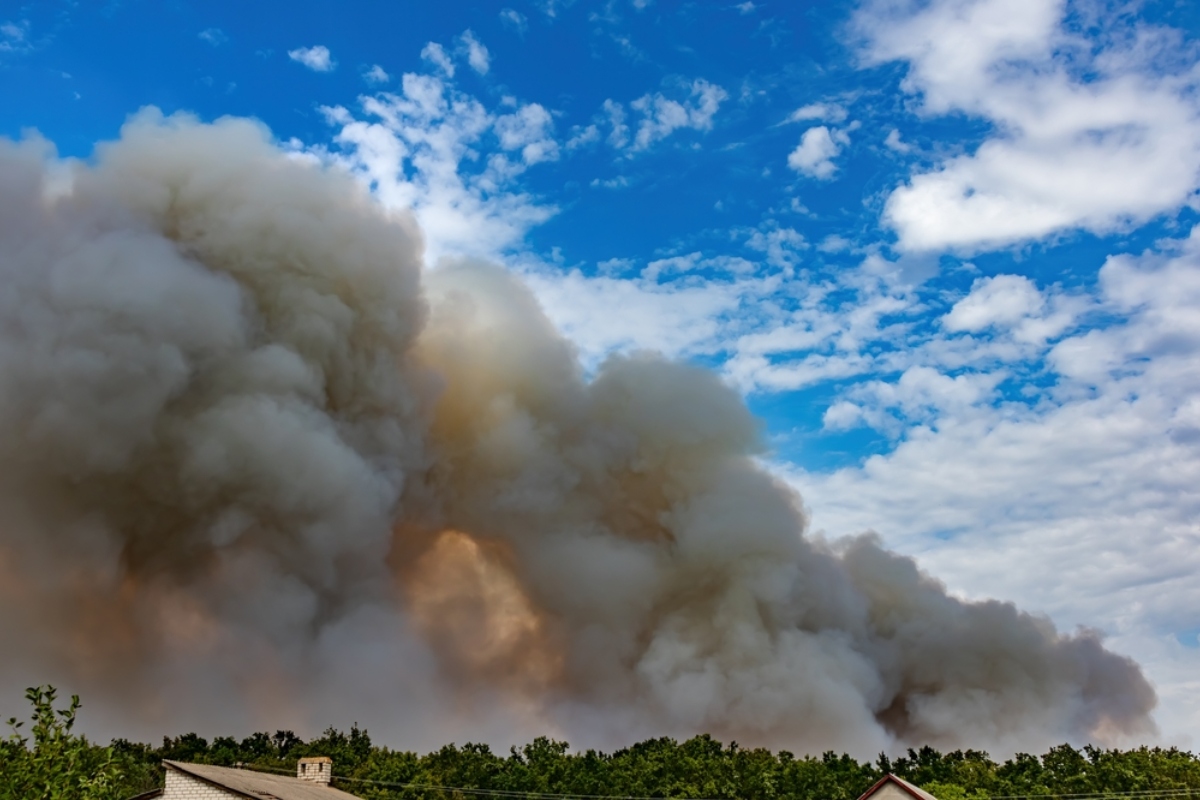
Authorities ordered mandatory evacuations in different areas as the fire approached populated zones. Among the first places evacuated were Fort Robinson State Park and parts of the city of Crawford.
As of Thursday morning, at least 22 buildings and 95 people were under mandatory evacuation orders. The number increased as the fire continued spreading in the following days.
YOU MAY BE INTERESTED IN: NOAA Confirms Formation of El Niño in the Tropical Pacific, Putting the United States Under Pressure
New evacuation orders were issued Saturday due to the persistent risk in several communities. Authorities also warned about constantly changing conditions.
In addition, Highway 20 has been closed intermittently to facilitate firefighting efforts. These closures have complicated mobility in the affected region.
Extreme Conditions Complicate Containment
Fighting the fire has been especially difficult because of adverse environmental factors. Dry vegetation and uneven terrain have favored the spread of the flames.
Weather conditions have played a key role in the development of the fire from the beginning. On the day it started, the temperature reached 95 degrees with extremely low humidity.
Humidity levels were just 14%, creating an environment favorable for wildfires. Strong wind gusts also accelerated the spread of the flames.
Winds reached speeds of up to 116 km/h, far exceeding levels considered critical. This scenario has complicated containment efforts at all times.
State Response and Current Outlook
Given the seriousness of the situation, Nebraska Governor Jim Pillen declared a state of emergency. The measure seeks to speed up the use of resources and strengthen the response to the fire.
Firefighters have worked nonstop, even overnight, to protect residential zones and natural areas. Their priority has been to prevent the fire from reaching densely populated communities.
So far, the Nebraska wildfire is 42% contained, although the risk remains high. Current conditions continue to pose a challenge for teams on the ground.
Authorities are maintaining constant surveillance while investigating the origin of the fire, which has not yet been determined. The outlook remains uncertain in a region marked by drought and extreme heat, according to Fox Weather.
¿Te gustó este artículo? ¡Compártelo!
¡No te pierdas las noticias!
Suscríbete y recibe lo más importante directamente en tu correo
Artículos relacionados
Recomendado por IA
Miles de personas evacuadas por incendio en California.

Flag Fire: ordenan evacuaciones por incendio forestal “fuera de control” en Arizona

Incendio en Nueva Jersey arrasa más de 8,500 acres y obliga a evacuar a miles

Confirman que dos avionetas se estrellaron en Nebraska con menos de media hora de diferencia y matan al menos a una persona:

Inundaciones repentinas y granizo dejan caos en Omaha, Nebraska (VIDEOS)

Comentarios 0
Sé el primero en comentar