
Mario Guevara Breaks His Silence: His Life in El Salvador After Deportation and the Betrayal by U.S. Authorities

- Mario Guevara, deported journalist, says he was unjustly deported
- The journalist says he suffered extortion inside prison
- He keeps his news channel active from El Salvador
One year after his detention in Atlanta, Salvadoran journalist Mario Guevara spoke with MundoNOW, his former home, about the experience that changed his life. After living 22 years in the United States, Guevara was deported to his country of origin, where he now faces a dual reality.
When asked how he feels in his own country, the communicator was honest about his adaptation process: “I think it’s a mix of both things, to be honest with you, because I lived outside for so long, 22 years basically half of my life, I can tell you that I still haven’t gotten used to many things.”
On June 14, journalist Mario Guevara was unjustly arrested outside Atlanta for “supposedly failing to disperse” during a protest, an incident he explained as a natural reaction to protect himself: “If you run from tear gas and cross a street, anyone would have done that.”
Although prosecutors dropped the criminal charges after determining there was no intent to violate the law, and an immigration judge ordered his release on bond in July, ICE blocked the legal benefit by arguing that his livestreams were a risk and by reopening an immigration case that had been closed in 2012; ultimately, the Board of Appeals ordered his removal, and after the rejection of a restraining order filed by the ACLU, journalist Mario Guevara was deported to El Salvador in the early hours of Friday, October 3.

An adaptation between nostalgia and traffic chaos: Mario Guevara
Guevara, who spent years covering the police beat in Georgia for MundoNOW (formerly Mundo Hispánico), admitted that returning has not been easy.
“It’s already been six months in my country and I think that with time, maybe by the time it takes me to return to the United States, which is my main dream, I’ll already be fully adapted here,” he said.
Among the daily challenges, he highlighted the disorderly traffic: “One of the things I have to deal with every day is traffic, I honestly didn’t remember it anymore.”
Despite the difficulties, the journalist emphasized the warmth of his people and the value of hard work he sees every morning: “I realize that Salvadorans are very honest people, very hardworking, very decent… seeing those people waking up early to make pupusas, to bake bread, I say, well, those are my people.”
The feeling of betrayal by immigration authorities

One of the most critical points of the interview was his relationship with Immigration and Customs Enforcement (ICE). Mario Guevara worked closely with authorities to inform his community, but he says that relationship broke apart for political reasons.
“On the other hand, yes, I can tell you I felt somewhat betrayed because I had good contacts with ICE. Suddenly when the administration changed, I felt that rejection, that resentment; that’s when you say: ‘How dirty they play.’ Because on one hand you are useful when they want to send a message to the community, and suddenly at the first opportunity they have, they stab you in the back,” he said.
Guevara maintains that his arrest was an act of retaliation: “When I was arrested, it was personal, they said: ‘Now this guy has been a nuisance publishing our faces, publishing our raids, let’s get him out of the country.’ And they did it. To some extent it was a betrayal, something personal.”
The ordeal in prison: Extortion and criminal treatment

His account of going through the U.S. prison system is raw. Mario Guevara went from covering the story to becoming the story himself.
“From being a storyteller, I became a protagonist in the story. How many times was I out on the streets exposing ICE raids and suddenly I became the direct victim. That made me be treated like a criminal, spending hours in handcuffs on my feet and hands,” he recalled sadly.
He even reported being targeted for extortion while detained:
“In the federal prison in Atlanta they locked me up with all kinds of criminals. These guys tried to extort me, they intimidated me. My family paid more than $200 in three days so they wouldn’t hurt me; my lawyers were able to prove it with the Zelle transfers.”
According to the journalist from MG News, this was a strategy to break his will: “I think it was a way to pressure me… They manipulated me and tried to intimidate me all because I was a public figure who made life impossible for ICE.”
Political disappointment and the “fallacy” of justice for all: Mario Guevara
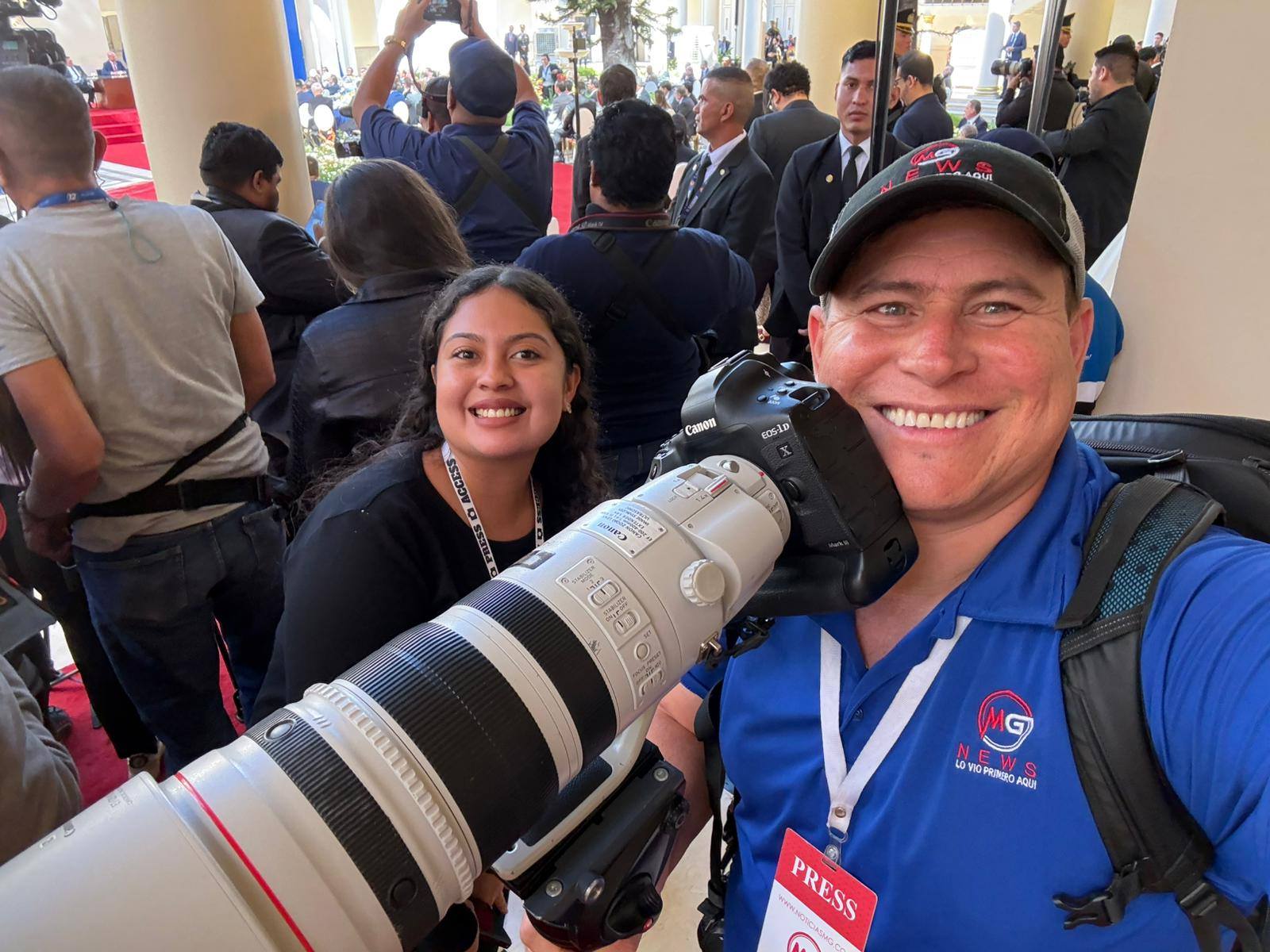
Guevara, who never hid his sympathy for conservative (Republican) values, expressed profound disappointment with the political system he once defended.
“For many, many years I identified with Republican ideology because of my values, my principles, my faith… what hurts me is that at one point I came to believe that this was the party of values,” he explained.
He strongly questioned the consistency of those principles when it comes to the treatment of immigrants: “What kind of Christianity do they profess? Because the Christ I believe in, the Bible I have read, says love the foreigner, respect the immigrant, support them.”
For the communicator, the slogan of the United States lost meaning after his experience in jail: “‘Liberty and justice for all’ says part of the slogan on the United States flag. But they should add at the end, except if you are an immigrant… Liberty and justice for all is a fallacy because it is not for everyone.”
¿Te gustó este artículo? ¡Compártelo!
¡No te pierdas las noticias!
Suscríbete y recibe lo más importante directamente en tu correo
Artículos relacionados
Recomendado por IA
Tras arresto del periodista Mario Guevara en protesta contra ICE desmienten campaña en GoFundMe

Mario Guevara, ex reportero de MundoNOW y siempre comprometido con la comunidad hispana

Abogado de Mario Guevara rompe el silencio en rueda de prensa sobre el experiodista de MundoNOW

Luego de que propio padre le mentó la mad… ahora hijo de Julio César Chávez rompe el silencio y confiesa (VIDEO)
Familia busca repatriar al hispano Frank Guevara quien murió en EEUU.

Comentarios 0
Sé el primero en comentar