
Fed Rate Hike: What Higher Interest Rates Mean for Credit Cards, Cars and Mortgages

The Federal Reserve has again made borrowing more expensive in the United States and left the door open for another interest rate hike before the end of the year.
The Fed increased rates by 0.25 percentage points, to a range of 3.75% to 4%, in its first hike since July 2023.
The decision was unanimous as inflation remained elevated, while the economy and labor market continued to show strength.
- Why it matters: higher rates can make some forms of household debt more expensive, although they can also keep returns attractive for savers.
Fed Rate Hike Could Hit Credit Cards and Car Loans First
Credit cards with variable rates are among the most sensitive products, so carrying balances may become even more expensive.
New car loans may also face pressure, although interest rates will depend on credit history, loan term, lender, and market conditions.
- Mortgages work differently: the Fed’s rate hike does not automatically mean mortgage rates will increase by 0.25 percentage points, because they also depend on the bond market and economic expectations.
Small businesses are not immune either. Lines of credit and loans with variable rates can become more expensive, increasing the cost of financing inventories, investments, or expansion.
Inflation, Jobs and Oil Help Explain the Fed Rate Hike
The Fed believes the economy can tolerate tighter financial conditions: the United States created 162,000 jobs in August, and unemployment remained at 4.1%.
But inflation remains above the 2% target. The Consumer Price Index stood at 3.4% year over year in August, amid renewed energy pressures.
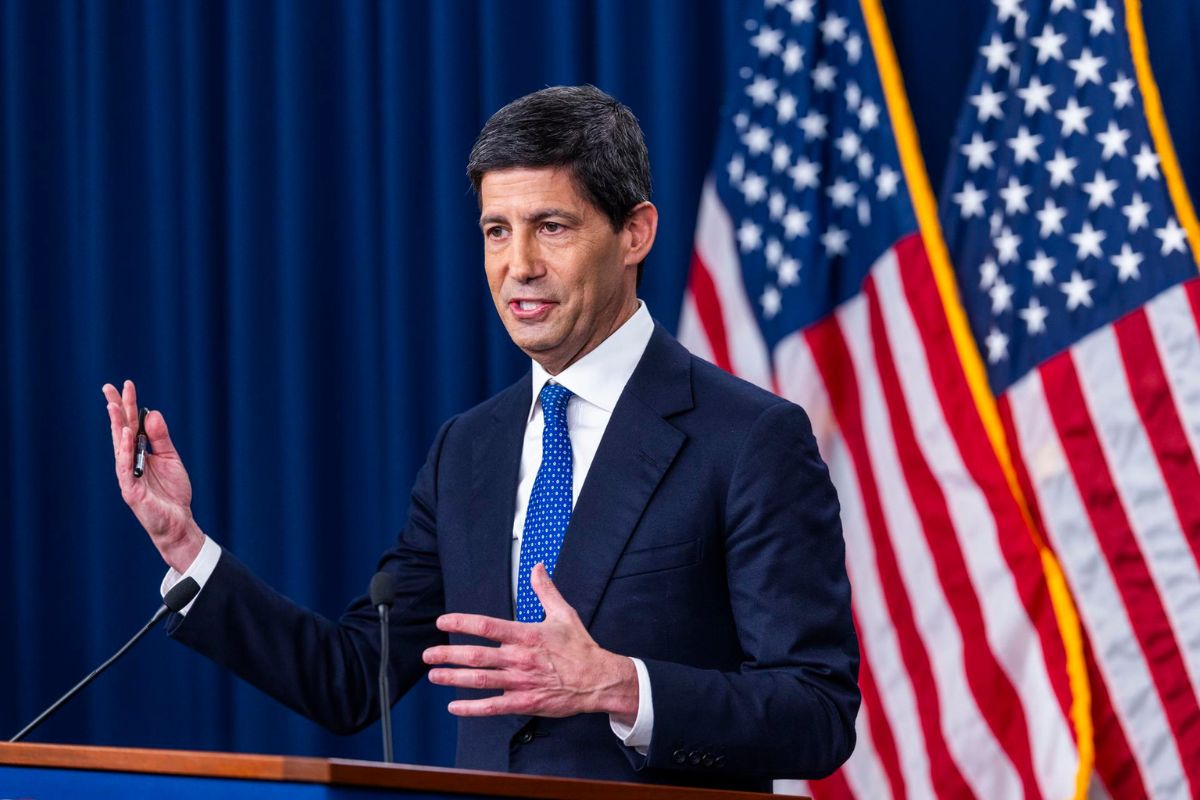
Federal Reserve Chair Kevin Warsh also cited geopolitical developments among the factors being considered, while U.S. oil remains above $100 per barrel.
- The situation also puts the Fed at odds with Donald Trump, who publicly called for rates of «1% or less» to stimulate the U.S. economy.
«Interest Rates in the United States should be 1%, or less, because we are the Best Credit in the World — BY FAR… LOWER THE INTEREST RATES FOR THE UNITED STATES OF AMERICA, AND FAST!» — President Donald J. Trump 🇺🇸 pic.twitter.com/n7LTkFpzvJ
— The White House (@WhiteHouse) September 16, 2026
Will There Be Another Hike This Year in the U.S.?
The big signal is in the new projections: 16 of the 18 Fed participants believe it is appropriate to end 2026 with rates above the current median level.
The median of the projections puts the rate at 4.1% by the end of 2026, although this does not mean another hike is already decided.
- Future decisions will depend on inflation, employment, and economic activity. The Fed projects that the PCE inflation rate will fall to 2.3% in 2027.
Meanwhile, the federal debt’s net interest has already exceeded $1 billion in the first 11 months of fiscal 2026, according to Treasury data cited by The Center Square.
However, economist Kent Smetters warns that a one-time hike would have an insignificant effect on the debt, and that regaining control of inflation could even reduce the real costs of borrowing in the future.
YOU MAY ALSO LIKE: Gas Prices This Fall: Why Drivers Are Still Waiting for Relief at the Pum
¿Te gustó este artículo? ¡Compártelo!
¡No te pierdas las noticias!
Suscríbete y recibe lo más importante directamente en tu correo
Artículos relacionados
Recomendado por IA
¿Suben o bajan las tasas de interés? Cómo afecta la decisión de la Fed a tu bolsillo

Si tu meta es comprar una casa, no lo pienses más y revisa las tasas de interés

Buenas noticias para ahorristas y jubilados: La Fed favorece su plan de ahorro con buen interés

Suben los seguros de auto en EE.UU.: ¿qué está pasando?

Comprar casa es una realidad, las tasas de interés son la clave

Comentarios 0
Sé el primero en comentar