
Do You Know the Symptoms of Endometriosis? Learn How to Detect It Early

- Endometriosis: Menstrual Pain Beyond Normal
- Early Diagnosis Is Key
- Treatments That Relieve and Help
Endometriosis affects millions of women worldwide, and although awareness is growing, it remains a condition surrounded by uncertainty.
To better understand it, Dr. Megan Wasson, a gynecologic surgeon at Mayo Clinic, explains its causes, symptoms, and treatment options.
Endometriosis Is a Condition Many Women Still Don’t Fully Understand

1. Tissue in the Wrong Place
Endometriosis occurs when tissue similar to the lining of the uterus—the endometrium—grows outside the uterus.
This tissue responds to the hormonal cycle just like normal endometrium: it thickens, breaks down, and bleeds each month. However, because it has no natural outlet, it causes inflammation, pain, and in some cases, infertility.
Most common areas where it appears:
- Ovaries
- Fallopian tubes
- Tissue lining the pelvis
In rare cases, it can spread to other organs.
2. Warning Signs: Beyond Menstrual Pain
The most characteristic symptom is intense pelvic pain, often mistaken for menstrual cramps.
However, pain related to endometriosis symptoms is usually stronger and more persistent.
Other common symptoms include:
- Pain during sexual intercourse
- Pain when urinating or having bowel movements
- Heavy bleeding or bleeding between periods
- Fatigue, nausea, or digestive issues
According to Mayo Clinic, pain intensity does not always reflect the severity of the disease. Some women with mild cases suffer greatly, while others with advanced conditions may feel little discomfort.
3. Possible Causes (and Why There Are Still Mysteries)
Despite medical advances, the exact cause of endometriosis remains unclear, though several theories exist:
- Retrograde menstruation: menstrual blood flows backward through the fallopian tubes, depositing cells in the pelvis.
- Cellular transformation: hormones like estrogen may turn other cells into endometrial-like tissue.
- Surgical scars: after cesarean sections or abdominal surgeries, endometrial cells may attach to incisions.
- Immune factors: the body may fail to eliminate abnormal tissue.
4. Risk Factors You Should Know
Research points to certain factors that increase the likelihood of developing endometriosis:
- Never having given birth
- Early menstruation or late menopause
- Short menstrual cycles or heavy bleeding
- Family history
- Low body mass index
Additionally, National Institutes of Health indicates that hormonal and environmental factors also play a role.
5. Endometriosis Complications and Possible Treatments
The main complication is infertility, but there is also a slight association with ovarian cancer.
Treatment varies depending on age, desire for pregnancy, and symptom severity.
Common options include:
- Hormonal medications to reduce tissue growth
- Laparoscopic surgery to remove lesions
- Lifestyle changes and psychological support
Dr. Wasson emphasizes that early diagnosis improves quality of life and helps manage pain more effectively.
Talking about this condition is part of healing!
6. When Should You See a Doctor?
Not all menstrual pain is normal.
It is important to seek medical attention if symptoms affect your daily life or worsen over time.
You should consult a specialist if:
- Menstrual pain is disabling or worsens each month
- Common painkillers do not relieve discomfort
- You experience very heavy or irregular bleeding
- You feel pain during sexual activity
- You have difficulty getting pregnant
- You experience recurring digestive or urinary symptoms during your cycle
Detecting endometriosis symptoms early allows for proper treatment and helps prevent long-term complications.
Ignoring symptoms can delay diagnosis for years.
7. The Role of Magnesium, Collagen, and Vitamin D
Some nutrients may help manage symptoms of endometriosis, especially those related to inflammation and pain.
- Magnesium: helps relax muscles and may reduce intense cramps.
It also supports the nervous system, which can be helpful in chronic pain cases.
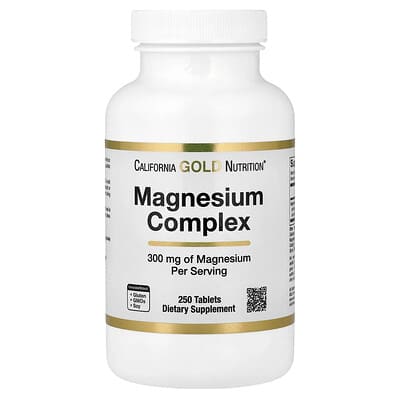
- Vitamin D: plays an important role in the immune system and inflammation regulation.
Adequate levels may help the body respond better to abnormal tissue growth.
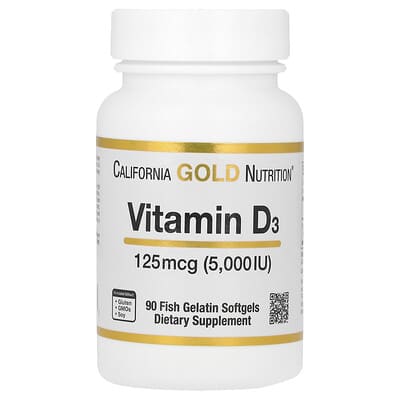
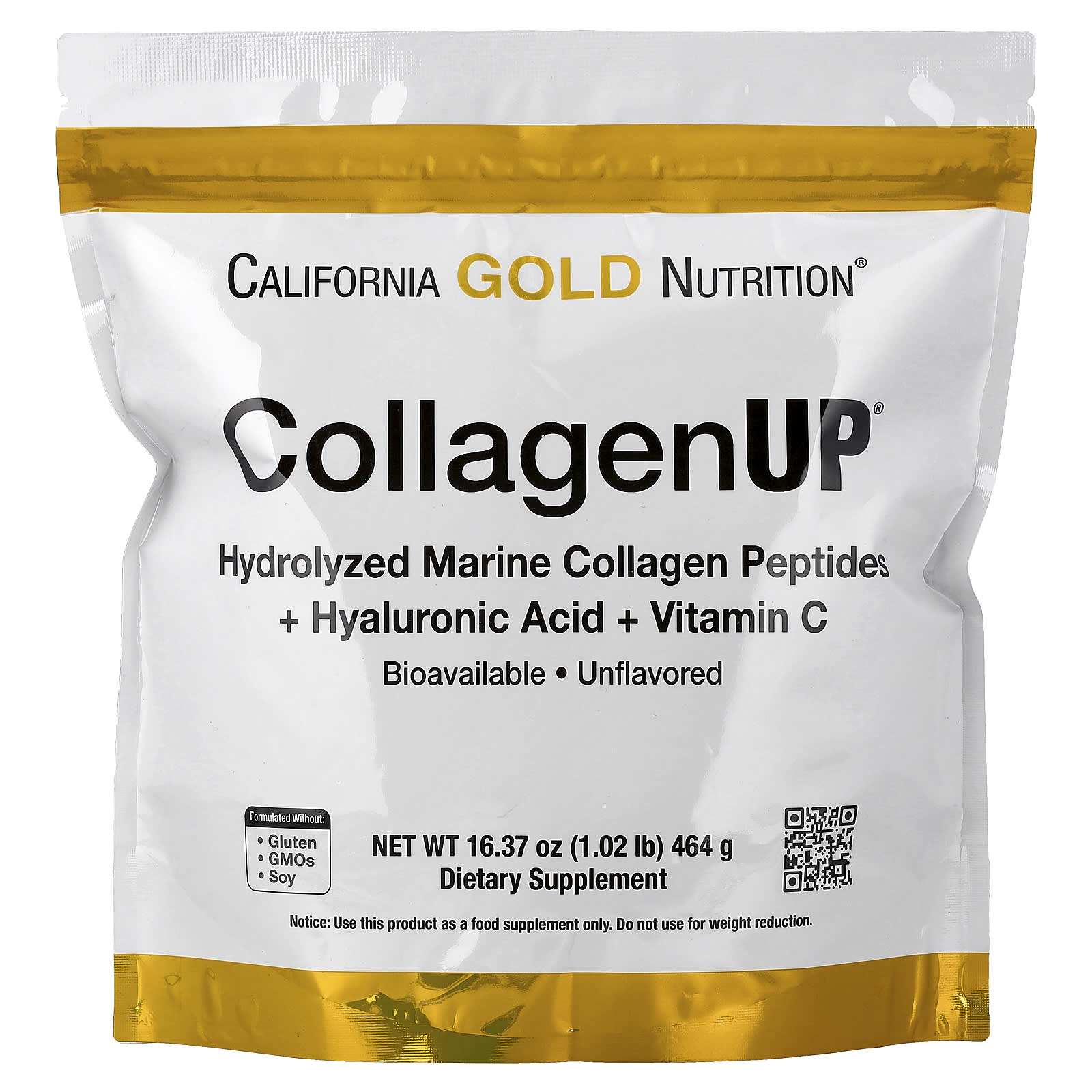
- Collagen: although it does not directly treat the condition, it can support tissue health and overall well-being, especially during inflammation or recovery processes.
While these supplements can help, they do not replace medical treatment.
Always consult a specialist before adding them to ensure proper dosage and avoid side effects.
Endometriosis Is Not Just Menstrual Pain

It is a real, complex, and often invisible condition.
Becoming informed, seeking specialized medical care, and sharing experiences can make a difference.
YOU MAY BE INTERESTED IN: Constantly Need to Go to the Bathroom? Everything About Overactive Bladder and How to Control It
Mayo Clinic recommends visiting a gynecologist at any sign of concern, as knowledge and early detection are the best tools to regain well-being.
Disclaimer: This content is for informational and educational purposes only. It does not replace professional medical advice, diagnosis, or treatment.
Notice: This article may include affiliate links. If you make a purchase through them, we may receive a commission at no additional cost to you.
SOURCE: Mayo Clinic – Endometriosis: symptoms and causes / Office on Women’s Health – Endometriosis facts
¿Te gustó este artículo? ¡Compártelo!
¡No te pierdas las noticias!
Suscríbete y recibe lo más importante directamente en tu correo
Artículos relacionados
Recomendado por IA
3 claves para saber si una mujer está fingiendo un orgasmo

Los síntomas del Meningococo en adolescentes y cómo prevenirlo

¿Tienes las hormonas descontroladas? 7 señales y consejos prácticos para recuperar el equilibrio

Flash informativo: Síntomas de la menopausia precoz e información

4 señales que podrían predecir un infarto

Comentarios 0
Sé el primero en comentar