
Do You Bruise Easily? Learn the Causes and When to Worry

- Bruises: Causes and Key Signs
- Effective Home Remedies
- When to Seek Medical Attention
When bruises start appearing without you remembering a blow, it’s natural to worry.
Although most are harmless and disappear on their own, understanding their causes and knowing when to seek medical attention can make a difference.
Here, we explain in simple tips why they occur, what factors make them more frequent, and how you can treat them at home.
Bruises: Everything You Need to Know
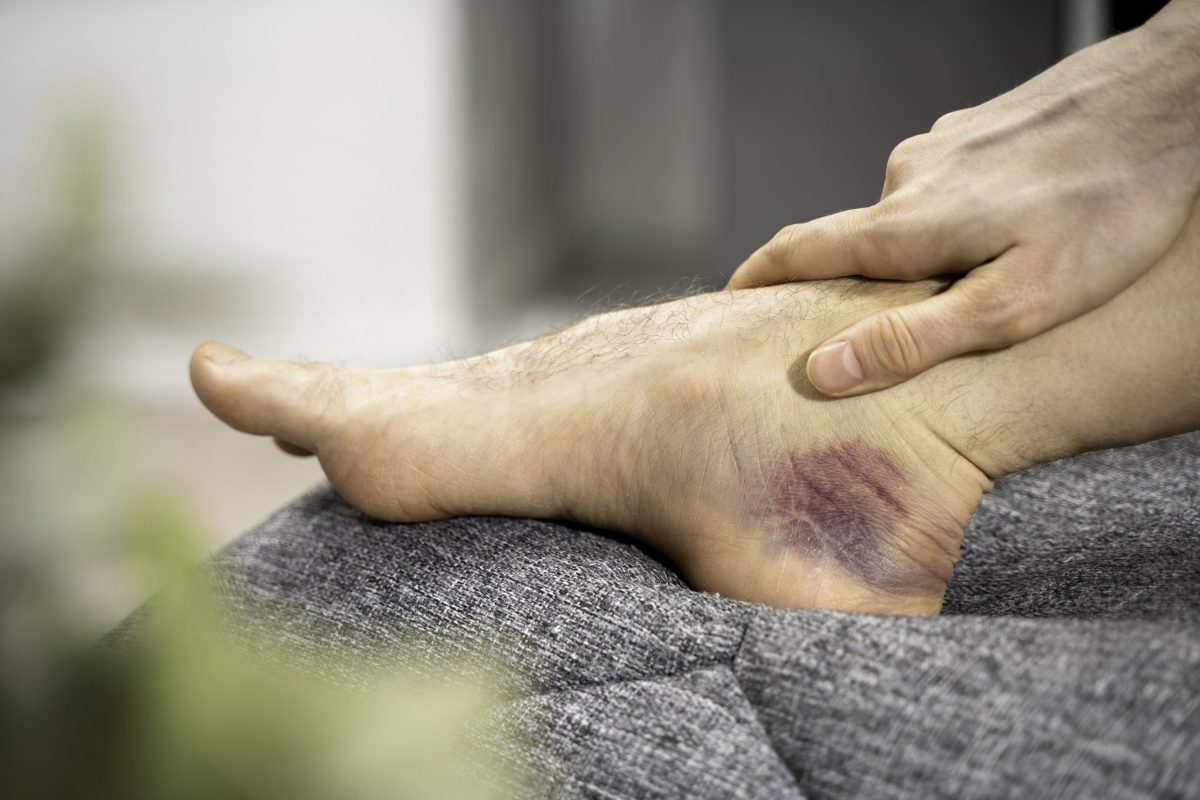
What Are Bruises?
Bruises, also called hematomas, are marks that appear when small blood vessels under the skin break due to a blow or pressure.
Blood accumulates in the surrounding tissues, forming a spot that initially looks dark and then changes color as the body reabsorbs it.
Although they usually appear after an injury, in some people, they can occur even without remembering an impact, which can generate doubts or concern.
What Can Be the Cause of Easy Bruising?
- Capillaries Break with Small Impacts
Bruises form when small blood vessels close to the skin’s surface break.
Although it’s common for them to appear after a blow, even a minor impact can produce a large bruise if you’re prone to them.
- Age Makes Skin More Fragile
As the years pass, the skin thins and loses some of the fat that protected it.
This makes the capillaries more exposed, and bruises appear more easily.
- Each Body Reacts Differently
Some people simply tend to bruise more than others.
In many cases, it doesn’t represent a serious problem, but it’s a good idea to pay attention if it happens too often.
Medications and Supplements That Can Favor Easy Bruising
- Medications that Reduce Coagulation
Medications like aspirin, ibuprofen, naproxen, warfarin, heparin, dabigatran, rivaroxaban, apixaban, edoxaban, or clopidogrel can facilitate the appearance of bruises because they decrease the ability to coagulate.
- Antibiotics, Antidepressants, and Corticosteroids
Some antibiotics and antidepressants affect coagulation. Additionally, corticosteroids make the skin thinner, increasing the risk of bruising.
- Supplements with Anticoagulant Effects
Ginkgo biloba is one of the most associated with an increased risk of bruising.
- Don’t Stop Medications on Your Own
If you notice changes, consult your healthcare professional before suspending any treatment.
Warning Signs: When It Could Be Something More Serious
- Large and Frequent Bruises
If they appear in unusual areas like the chest, abdomen, back, or face, or if they occur without an apparent reason, it’s time to consult a professional.
- Easily Bleeding in Addition to Bruises
If you bleed a lot with small cuts or after minor procedures, it could be a coagulation problem.
- Sudden Change
If they start appearing since you took a new medication.
- Family History
If more people in your family bruise or bleed easily.
- Possible Medical Causes
These include low platelet levels, poor platelet function, or problems with proteins that help with coagulation.
How to Prevent and What to Do When a Bruise Has Already Appeared

- Keep Your Home Safe: Good lighting, avoiding clutter, removing hazardous rugs, and organizing cables can reduce falls and blows.
- Review Your Medications: Inform yourself about side effects if they cause dizziness or drowsiness.
- Control Your Vision and Hearing: Small variations can increase the risk of unnoticed blows.
- Once It Appears, the Body Needs Time: Bruises usually disappear on their own, although they take longer with age. Elevating the affected area and applying ice can help alleviate discomfort.
Daily Trajectory and Colors of Bruises or Ecchymosis
Day 1 (purple/dark blue): The newly accumulated blood under the skin gives a deep, intense tone.
Day 2–3 (blue/black): The body begins to break down the hemoglobin, and the color intensifies.
Day 4–5 (green): The degradation of pigments starts, and the bruise changes towards greenish tones.
Day 6–7 (yellow): The hematoma enters its final phase of reabsorption and turns yellow or light brown.
Day 8 and beyond (fading): The color clears progressively until it disappears completely.
Ten Natural Ways to Relieve a Bruise
• Cold Therapy: Applying cold in 10-minute intervals reduces blood flow to the area.
• Heat Application: Useful once the bruise has formed to improve circulation.
• Compression: An elastic bandage can reduce pain and swelling.
• Elevation: Keeping the area above heart level decreases pressure and favors drainage.
• Arnica: Ointments and gels help reduce inflammation.
• Vitamin K Cream: Contributes to decreasing the severity of the bruise.
• Aloe Vera: Helps reduce inflammation and pain.
• Vitamin C: Supports healing and can be applied topically or consumed.
• Pineapple: The bromelain present can reduce inflammation.
• Comfrey: Its cream or leaf compresses have healing properties.
When to Seek Medical Attention According to Symptoms

You should consult a doctor if the injury seemed minor but still hurts after three days, if a lump appears in the bruise, if you start bruising without a reason, or if you notice blood in your urine or stool.
Bruises are usually harmless, but listening to your body is key to identifying when they require attention.
Bruises are often a natural part of life, and in most cases, they don’t represent a serious risk.
However, paying attention to changes in your body, knowing the most common causes, and knowing when it’s time to consult a professional can help you act with safety and peace of mind.
You May Be Interested In: The Dangers of Mold: What Really Happens When You Live in a Humid Place!
With preventive habits and some home remedies, it’s possible to alleviate discomfort and support recovery while monitoring that everything evolves normally.
Warning: This content is for educational purposes only and does not replace the evaluation, diagnosis, or treatment of a healthcare professional. If you have persistent symptoms, intense pain, or frequent bruising without an apparent cause, consult a specialist.
Have you ever had bruises without an apparent reason? Share your experience or what remedies have worked best for you.
SOURCE: Mayo Clinic. «Bruises that occur easily: Why do they happen?» / Healthline. «10 natural ways to treat bruises.
¿Te gustó este artículo? ¡Compártelo!
¡No te pierdas las noticias!
Suscríbete y recibe lo más importante directamente en tu correo
Artículos relacionados
Recomendado por IA
¿Sudor frío sin razón? Tu cuerpo podría estar advirtiéndote algo

Raro brote de melioidosis por letal bacteria enciende las alarmas en EE.UU.

Descubre por qué repetimos los mismos ciclos y cómo cortarlos de raíz

Barriga cervecera en los hombres: 5 razones por las que debes rebajarla YA mismo

¿Qué es la listeria y por qué debe preocuparnos?

Comentarios 0
Sé el primero en comentar