
Earthquakes: What to Do, What to Avoid, and How to Prepare to Survive a Strong Quake

- Earthquake safety tips: What to do during an earthquake.
- Mistakes you should avoid.
- How to prepare beforehand.
An earthquake is a sudden movement of the Earth’s crust caused by the release of energy accumulated inside the planet.
That energy travels in the form of seismic waves that make the surface shake and can cause severe damage within seconds.
The main causes are the movement of tectonic plates, which shift after accumulating pressure, and volcanic activity, which fractures rocks as magma rises.
The phenomenon begins at the hypocenter, inside the Earth, while the epicenter is the point on the surface where the impact is usually strongest.
How earthquakes are measured and how dangerous they can be
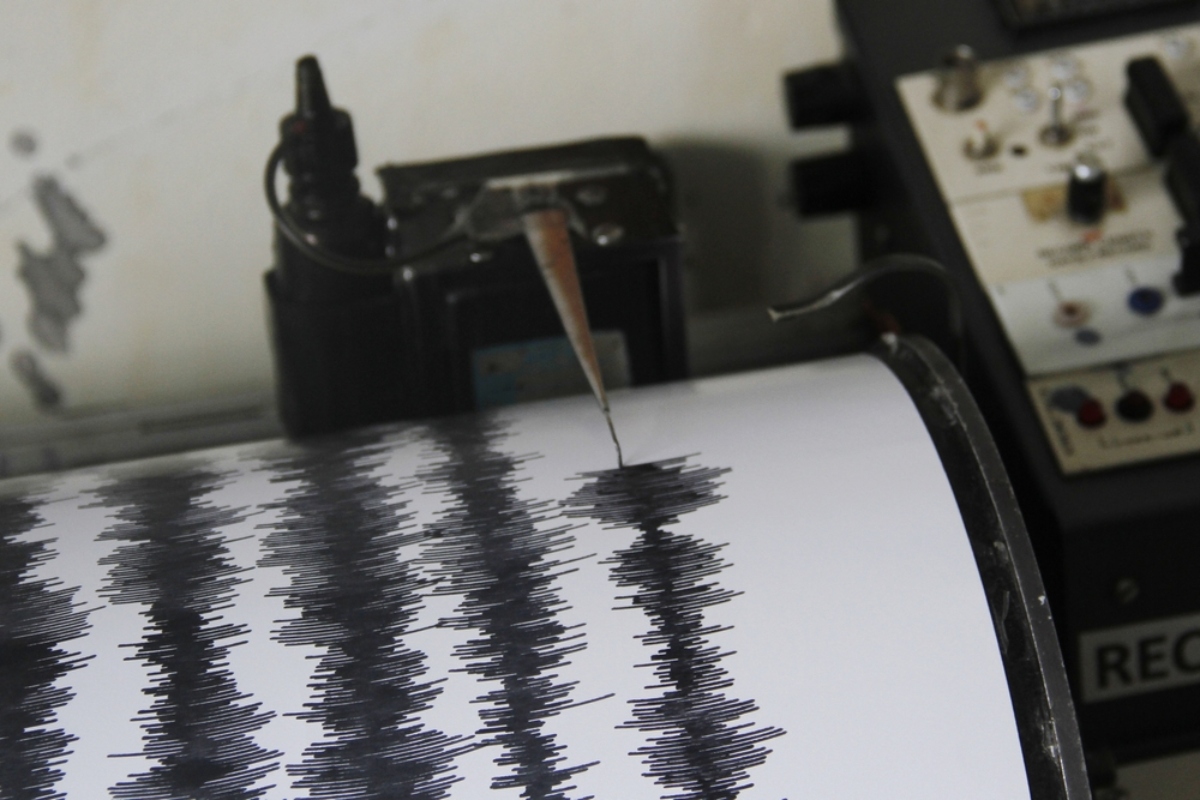
The magnitude of an earthquake is commonly measured using the Richter scale, which calculates the energy released during the event.
Meanwhile, the Mercalli scale evaluates visible effects, such as structural damage or how strongly people feel the movement.
YOU MAY ALSO BE INTERESTED IN: Powerful Series of Earthquakes Strikes Five Countries Within Just Hours
Both measurements help explain not only the strength of the earthquake, but also its real impact on cities and communities.
Understanding these concepts helps people assess risks and make informed decisions before, during, and after a seismic event.
What to do during a strong earthquake inside and outside your home
If you are inside a building, the main recommendation is not to run outside and to follow the technique: drop, cover, and hold on.
Seek shelter under a sturdy table or near an interior wall, staying away from windows, fireplaces, and heavy objects.
If you are outdoors, move toward an open area away from buildings, power poles, or any structure that could collapse.
If you are driving, stop carefully, avoid bridges or electrical cables, and remain inside the vehicle until the shaking stops.
Risks in specific areas and mistakes you should avoid
In mountainous areas, the danger increases due to possible landslides, falling rocks, or trees caused by the movement.
Near the ocean, there is a risk of a tsunami, so it is essential to follow alerts and evacuate if authorities recommend it.
Among the most common mistakes is using the phone without an emergency, which can overload communication lines needed for rescue efforts.
It is also dangerous to use fire or electricity after an earthquake, since a gas leak could cause explosions or fires, according to the USGS.
What to do after an earthquake and how to respond
After the earthquake, wear sturdy shoes to avoid injuries from broken glass or debris and prepare for possible aftershocks.
Check for injured people and provide basic first aid, such as applying pressure to wounds or performing CPR if someone is not breathing.
Do not move seriously injured people unless they are in immediate danger, and cover them to help maintain their body temperature.
Seek medical attention in serious cases and stay alert for new instructions from authorities.
Identifying hazards at home after an earthquake
Check for possible fires and put them out immediately if it is safe to do so, requesting help if necessary.
Turn off the gas only if you detect a leak and avoid turning on electrical appliances until you confirm there is no danger.
Do not touch fallen cables or objects connected to them, as they may still carry electricity and cause electrocution.
Be careful when opening cabinets, as objects may fall, and avoid using damaged fireplaces due to the risk of toxic gases.
Water, food, and safe conditions after an emergency
Do not consume food or drinks exposed to broken glass or contaminants, especially if they were stored in open containers.
If there is no electricity, prioritize eating perishable or frozen foods before they spoil.
Avoid using the stove if you suspect a gas leak and only cook outdoors with proper equipment.
Without drinking water, you can use sources such as water heaters or melted ice, while avoiding swimming pools or hot tubs.
How to prepare before an earthquake at home
Identifying objects that could fall during shaking, such as lamps, shelves, or poorly secured televisions, is an important part of earthquake safety tips.
Check whether furniture is properly secured and whether heavy objects are placed above beds or resting areas.
Installing brackets, reinforcements, or cabinet locks can significantly reduce the risk of accidents.
Home prevention is essential to minimize damage and protect your family during a seismic event.
Emergency kit: what you should always have
Having a basic emergency kit can make a difference during a crisis, especially in the first hours after an earthquake.
It should include a first-aid kit, medications, flashlights, a portable radio, and spare batteries.
It is also essential to store enough water for at least two weeks, along with non-perishable food and a can opener.
Other key items include tools for turning off gas or water, a fire extinguisher, strong bags, and outdoor cooking equipment, according to the USGS.
¿Te gustó este artículo? ¡Compártelo!
¡No te pierdas las noticias!
Suscríbete y recibe lo más importante directamente en tu correo


Comentarios 0
Sé el primero en comentar