
Cristobal Breaks the Calm in the Atlantic and Another Storm Could Form Behind

- Tropical Storm Cristobal forms
- Another storm could emerge
- Caribbean watches new wave
The tropical calm in the Atlantic has come to an end with the formation of Tropical Storm Cristobal, while another wave moving towards the Caribbean has the potential to become the next named system of the 2026 season.
Cristobal organized about 1,600 kilometers northeast of Bermuda, after a storm that was initially non-tropical developed the necessary characteristics to be classified as a tropical system.
- Why it matters: Although Cristobal does not pose a direct threat to the United States, attention is beginning to shift towards another disturbance that could approach the Caribbean and affect areas such as the Leeward Islands.
- The fact: Cristobal had maximum sustained winds of approximately 72 km/h and was moving east at about 40 km/h during Wednesday afternoon.
Tropical Storm Cristobal Does Not Threaten the United States
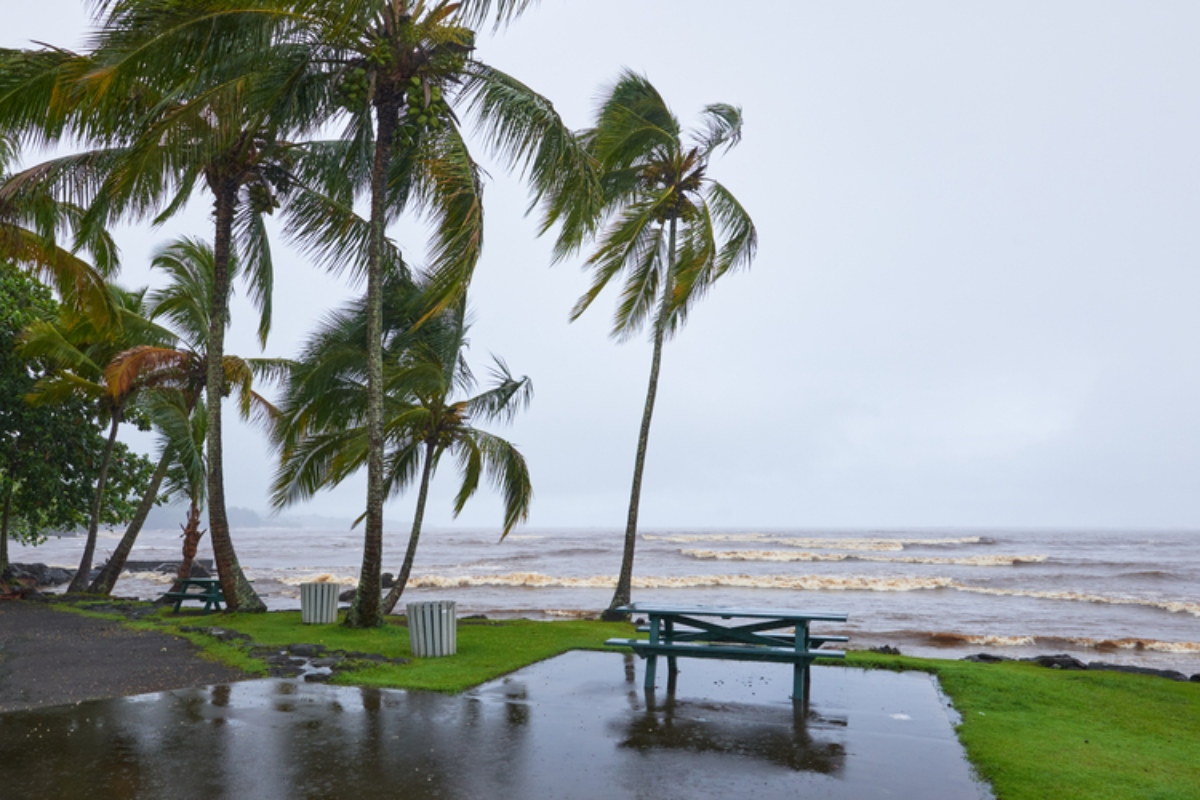
Available forecasts do not anticipate impacts from Cristobal on Bermuda or the United States, reducing for now the risk that the system will cause hazardous conditions in those areas.
Its trajectory, however, could ultimately generate indirect effects in Europe if it interacts with a front or another system while continuing to move through the North Atlantic.
YOU MAY BE INTERESTED IN: The U.S. will issue commemorative passports with an image of Trump starting in August
“There is a remote possibility that the storm could merge with a front or another storm and cause rain in parts of Ireland and the United Kingdom early next week,” explained Jason Nicholls, AccuWeather’s international chief meteorologist.
The specialist also warned that Cristobal could quickly lose its organization, making it difficult to continue identifying it as an independent phenomenon over the next few days.
Another Tropical Storm Could Emerge Near the Caribbean
Further south, a tropical wave located east of the Caribbean is moving through conditions that could favor its organization and become the next tropical system of this season.
“The tropical wave east of the Caribbean is currently in an area generally favorable for its development this week,” noted Alex DaSilva, AccuWeather’s lead hurricane expert.
DaSilva added that “the tropical wave has a high probability of developing” and estimated that the most likely process of organization could occur between Wednesday and Friday.
If it reaches tropical storm category after Cristobal, it would be named Dolly, according to the list corresponding to the 2026 Atlantic hurricane season.
Puerto Rico and the Caribbean Should Monitor the Wave’s Evolution
The trajectory will depend largely on its rate of strengthening: a more intense system could turn north of the Leeward Islands, while slower development could bring it closer to those islands.
If it remains weak, it could bring heavy rain, thunderstorms, strong gusts, and rough seas to sectors of the Leeward Islands and the northern Windward Islands by the end of the weekend.
“Wind shear could also cause the system to dissipate near the Leeward and Windward Islands,” DaSilva explained about one of the obstacles the disturbance would face.
To reach the southeastern coast of the United States, it would have to maintain a very specific trajectory and intensity for several days, a scenario that is currently considered a remote possibility.
Hurricane Season Enters a More Active Phase
The Atlantic also features another tropical wave coming out of Africa, which, according to the cited forecasts, has approximately 50% chance of becoming a tropical depression between the end of this week and the weekend.
The activity coincides with the Cape Verde season, when waves from Africa cross the Atlantic and can find favorable conditions to transform into depressions, tropical storms, or hurricanes.
Between August and October, these waves play a significant role in many of the named cyclones, while September usually marks the period of highest activity in the season.
For now, Cristobal remains far from the United States, but the evolution of the waves behind it will be key for Puerto Rico, the Leeward Islands, and other areas of the Caribbean over the next few days, according to AccuWeather.
¿Te gustó este artículo? ¡Compártelo!
¡No te pierdas las noticias!
Suscríbete y recibe lo más importante directamente en tu correo
Artículos relacionados
Recomendado por IA
La tormenta tropical Cristóbal se acerca a la costa de EE.UU. y provocó un tornado en Florida

Cristóbal recupera fuerza de tormenta tropical rumbo a EE.UU.

Tormenta tropical Cristobal podría recuperar fuerza, fusionarse y convertirse en ciclón (VIDEO)

Informan que depresión tropical Cristóbal se dirige a Estados Unidos

Tormenta Cristóbal avanza por centro-occidente de Estados Unidos

Comentarios 0
Sé el primero en comentar