
2026 Hurricane Forecast Takes a Turn: Fewer Storms Expected, but U.S. Remains at Risk

- 2026 hurricane forecast
- U.S. remains at risk of impacts
- El Niño could suppress tropical activity
The outlook for the 2026 Atlantic hurricane season has changed just before its most active period: AccuWeather has lowered its forecast for the number of storms that could form.
The new forecast now calls for eight to 11 named storms, three to four hurricanes and between one and two major hurricanes during the season.
The initial forecast released in March predicted between 11 and 16 named storms, but the potential strengthening of El Niño prompted a significant revision to those expectations.
However, there is an important warning for people living in the United States: the projection of between three and five direct impacts on the country remains unchanged.
El Niño Changes the 2026 Atlantic Hurricane Forecast
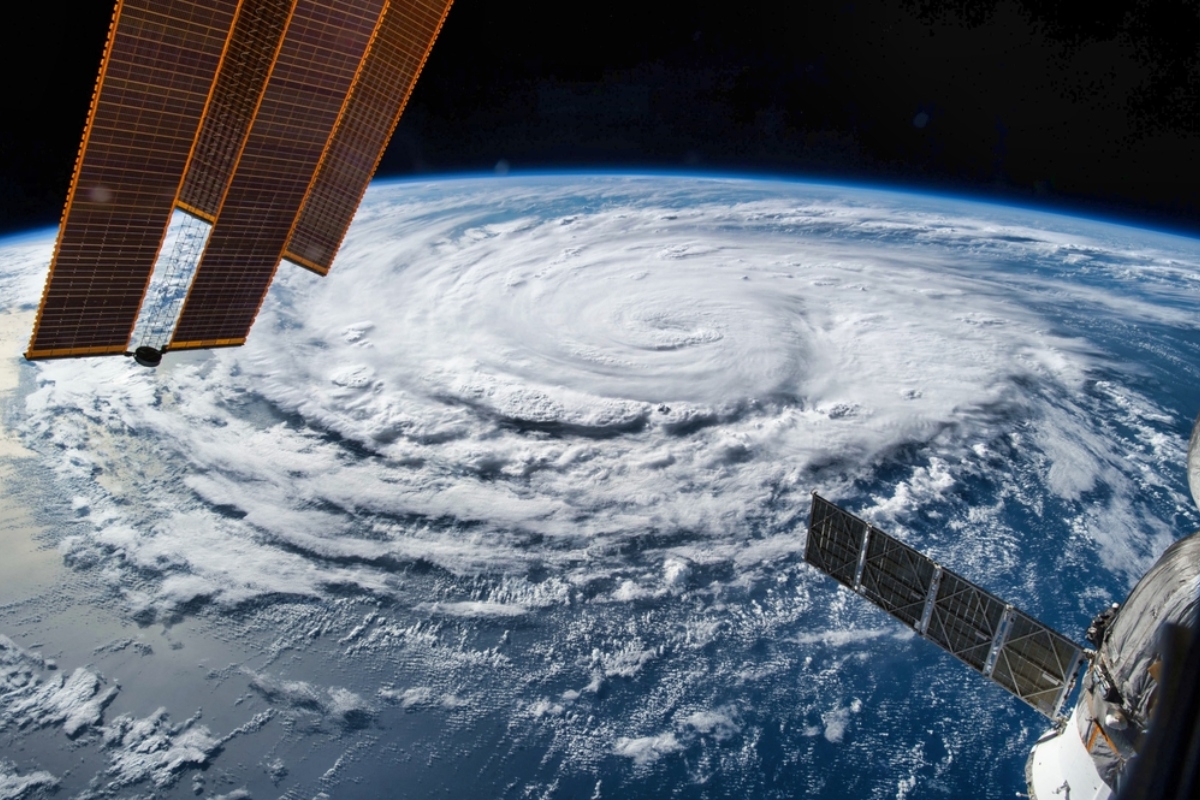
- Key points: The possible development of an extremely strong El Niño could create atmospheric conditions capable of suppressing the formation and strengthening of some tropical systems.
Although it originates in the Pacific, El Niño can increase wind shear across parts of the Atlantic, a condition that makes it more difficult for tropical storms to organize and intensify.
YOU MAY ALSO BE INTERESTED IN: Blood Moon Lunar Eclipse Will Be Visible From the U.S. and Canada: Dates and Times
- Why it matters: A forecast calling for fewer hurricanes does not necessarily mean less danger for the United States, particularly for communities near the Gulf of Mexico and the Atlantic Coast.
“It only takes one storm to define a hurricane season,” AccuWeather Lead Hurricane Expert Alex DaSilva warned while explaining the change in the forecast.
2026 Hurricane Season Is Progressing More Slowly Than Usual
- The key figure: So far, three tropical storms have formed in the Atlantic: Arthur and Bertha reached the Gulf Coast, while Cristobal remained over open water for a short period.
Activity is also running behind some historical averages: typically, the first hurricane forms before August 11, while the fourth named storm develops before August 15.
- The process: AccuWeather adjusted its 2026 Atlantic hurricane forecast amid increasing chances of a very strong El Niño during the second half of the season, when tropical activity historically increases.
The most important period is still ahead: the climatological peak of the Atlantic hurricane season occurs around September 10, and threats can continue throughout the fall.
These U.S. Areas Remain at Greater Risk of Storm Impacts
- What you can do: Residents of coastal areas should maintain their hurricane preparations and continue monitoring forecasts, even if the total number of storms ends up being lower than originally anticipated.
The northern and eastern Gulf Coast and the Carolinas face a higher-than-historical-average risk of direct impacts this season, according to the forecast.
Especially warm waters near parts of the U.S. coastline could also favor systems that strengthen rapidly close to land, reducing the amount of time available to prepare.
- The limitation: A seasonal forecast cannot determine where each storm will make landfall or its exact intensity. A relatively quiet season can still produce an extremely destructive hurricane.
Fewer Hurricanes Do Not Necessarily Mean Less Danger
The 1992 season provides a notable example: only seven named storms developed, but one of them was Andrew, which reached Category 5 intensity and devastated South Florida.
A different situation occurred in 2025: several powerful storms developed, but no hurricane ultimately made landfall in the United States.
“Those atmospheric conditions can reduce the overall number of tropical storms and hurricanes; they do not eliminate the threat to the United States,” DaSilva explained regarding the potential strengthening of El Niño.
The main takeaway for coastal communities is clear: fewer storms in the 2026 Atlantic hurricane forecast may mean less overall activity, but they do not guarantee that the United States will avoid a dangerous impact during 2026, according to AccuWeather.
¿Te gustó este artículo? ¡Compártelo!
¡No te pierdas las noticias!
Suscríbete y recibe lo más importante directamente en tu correo
Artículos relacionados
Recomendado por IA
Revelan pronóstico para el centro de EEUU y confirman que pararán las tormentas eléctricas

Tormenta ‘Francine’ se va a convertir en huracán hoy y afectará a EEUU
Dorian se debilita a huracán categoría 1 frente a la costa de EE.UU.

Advierten más actividad en temporada de huracanes para este 2021

Comentarios 0
Sé el primero en comentar